
Before listing a new wine estate, it is tempting to rely solely on the pleasure of a good tasting. Yet committing a reference to your list means betting on consistency, volumes and logistics as much as on taste. This wine shop owner's checklist gathers the questions to ask before you decide, to add a reference to your list without unpleasant surprises. It rests on three pillars: the wine, the estate and the logistics.
The wine: what must hold up in the glass and over time
Consistency, vintage after vintage
Falling for a wine does not make a lasting reference. You sell a bottle today, but you will have to restock it in six months with a wine faithful to what won over your customers. When possible, taste two vintages of the same cuvée: you thus judge the consistency of the winegrower's hand, not just the success of one year.
The place in your range
Before selecting an estate, place the cuvée precisely in your offer. Does it fill a gap (a missing appellation, an under-represented grape variety) or does it duplicate a reference that already sells well? A wine that cannibalises a flagship reference rarely gets you more turnover; a wine that opens a new door widens your clientele. For a restaurant, our method for building the wine list helps place each reference on the price ladder.
The story that can be passed on at the counter
A wine sells twice: once by you to your team, once by your team to the customer. If you cannot sum up in three sentences who the winegrower is, what they are after and why this wine is different, the bottle will stay mute on the shelf. A good story (parcel, family, technical) is a selling point as much as a touch of soul.
The estate: the contact behind the cuvée
You like the bottle; what remains is to check that the estate can keep up. This is often where the viability of a reference is decided. Review:
- Available volumes. How many bottles can the estate allocate you over the year? An independent winegrower produces in finite quantities: better to know the ceiling before building a promotion around a cuvée that will be sold out in two months.
- The direct contact. Are you dealing with the winegrower in person or with a third party? Direct contact simplifies restocking, technical questions and the negotiation of terms. That is the whole point of sourcing wines from independent winegrowers without an intermediary.
- The approach. Vineyard management, vinification, certifications: these elements feed your sales pitch and reassure an attentive clientele. To tell what comes from the label and what from the talk, this overview of organic, HVE and biodynamic labels sorts it out.
Logistics: where the invisible margins are made
Volumes and wine logistics are often neglected at the time of the tasting, yet they weigh heavily on the real profitability of a reference. A few points to pin down in black and white:
- Packaging. Cases of 6 or 12, bottle format, pallet weights: these details determine your storage and your cash flow.
- Delivery lead times. How many days between order and receipt? A long lead time means anticipating restocking to avoid stock-outs on a reference that sells.
- Free carriage and transport. From what volume is delivery provided? Who handles breakage and shortages? Poorly controlled transport nibbles away the margin you thought you had secured.
- The first trial volume. Do not commit your entire shelf space at once. A measured first order lets you observe your customers' reaction before confirming.
Deciding, then tracking turnover
Once the reference is committed, the checklist does not stop: it becomes a dashboard. Monitor reference turnover cuvée by cuvée. A wine that does not sell ties up cash and takes a place that another discovery would deserve. Conversely, a turnover that is too fast signals a purchase volume to be revised upwards, provided the estate can keep up.
Set yourself a checkpoint, for example at three months, to decide: renew, adjust the volume, or free up the space. This discipline turns your list into a living selection rather than a static accumulation.
Taste before listing
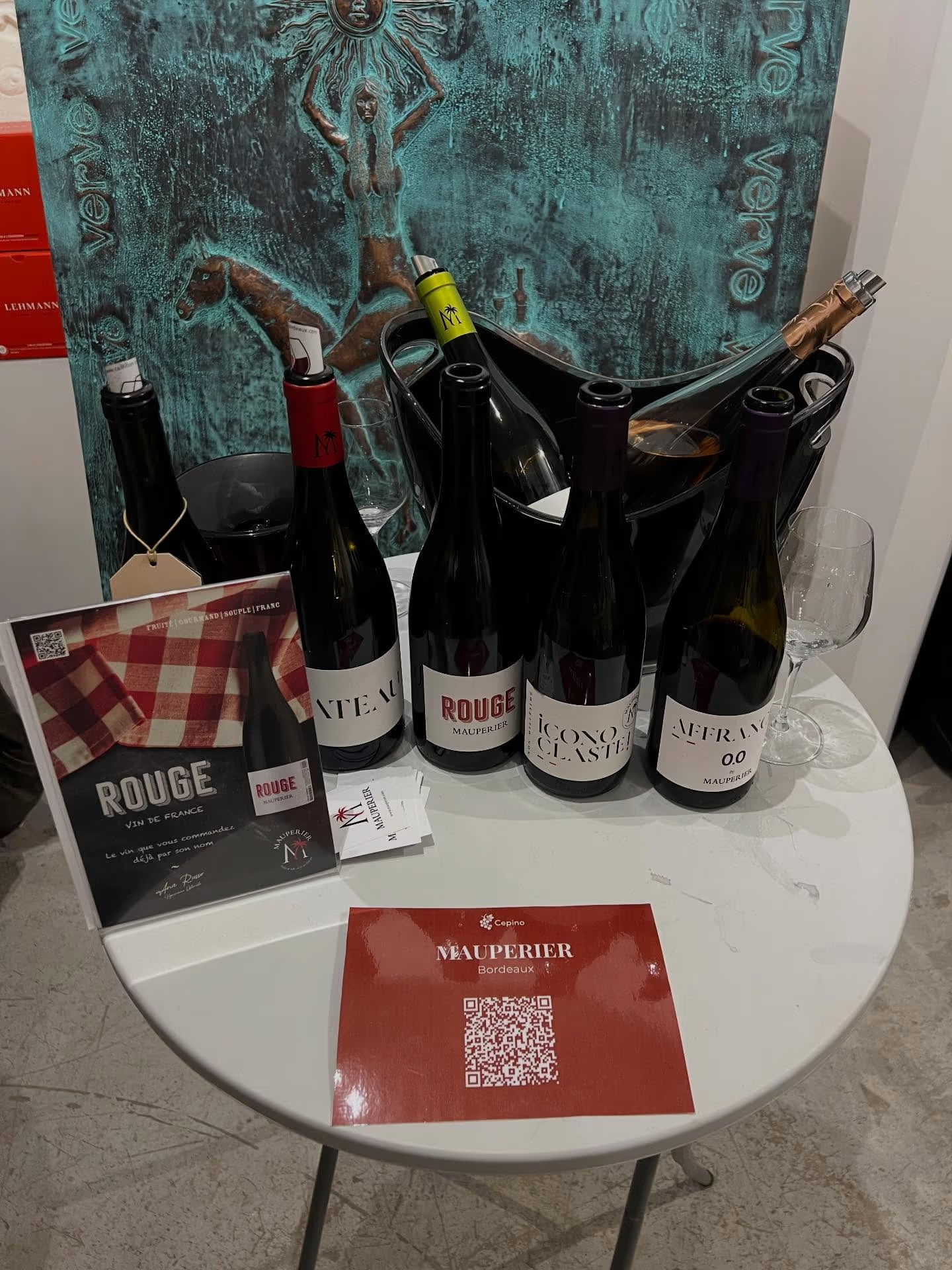
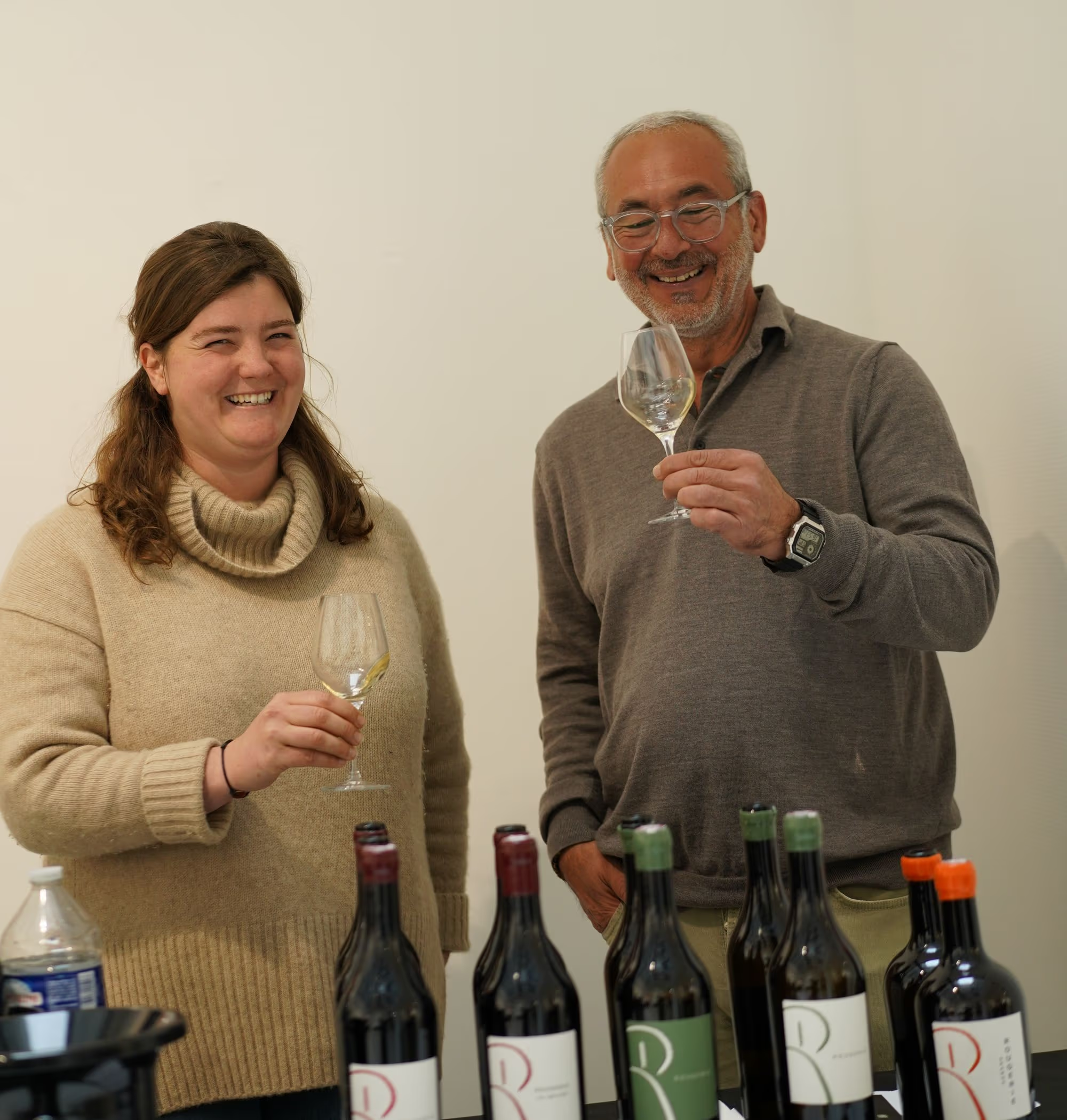
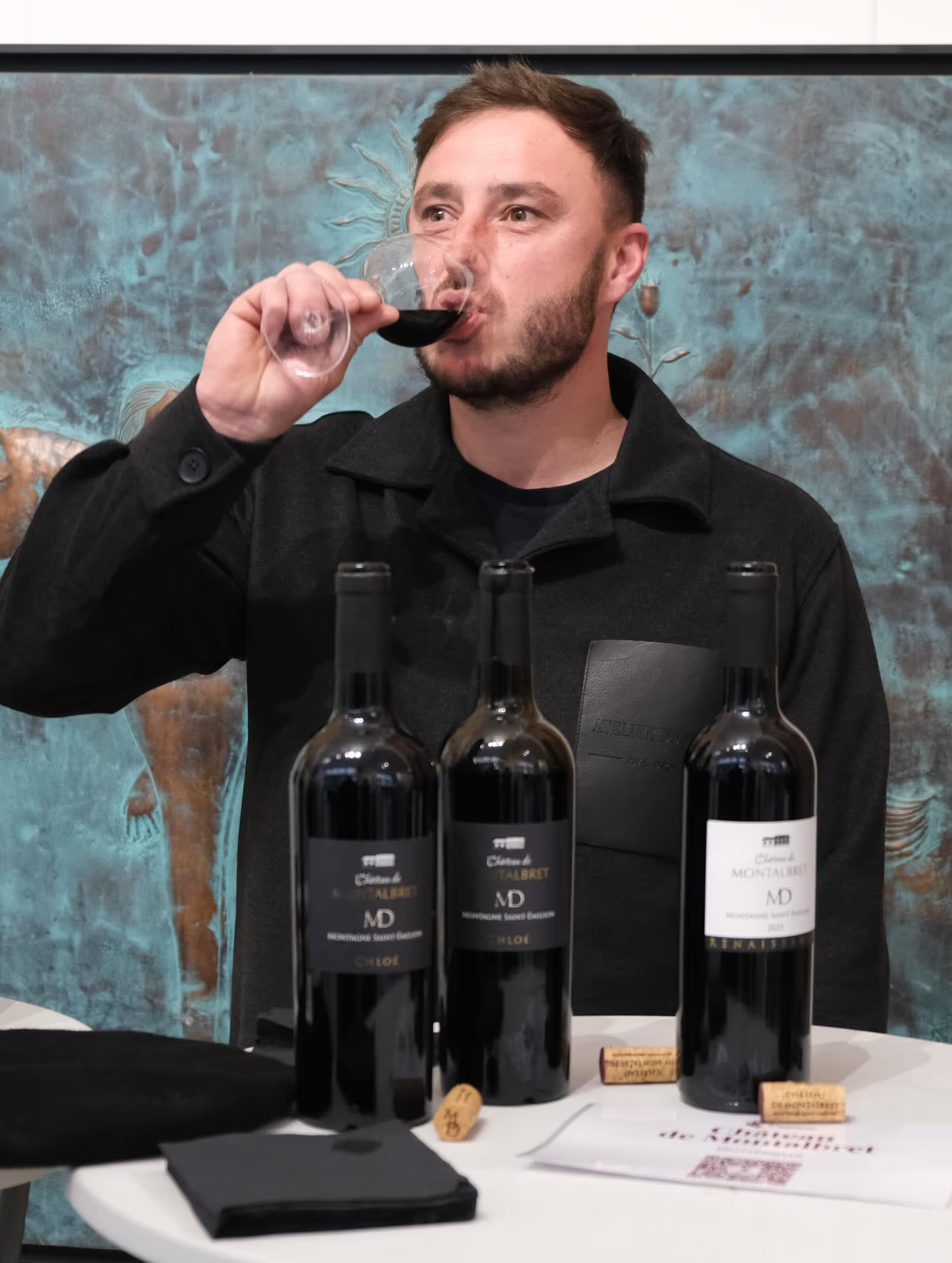
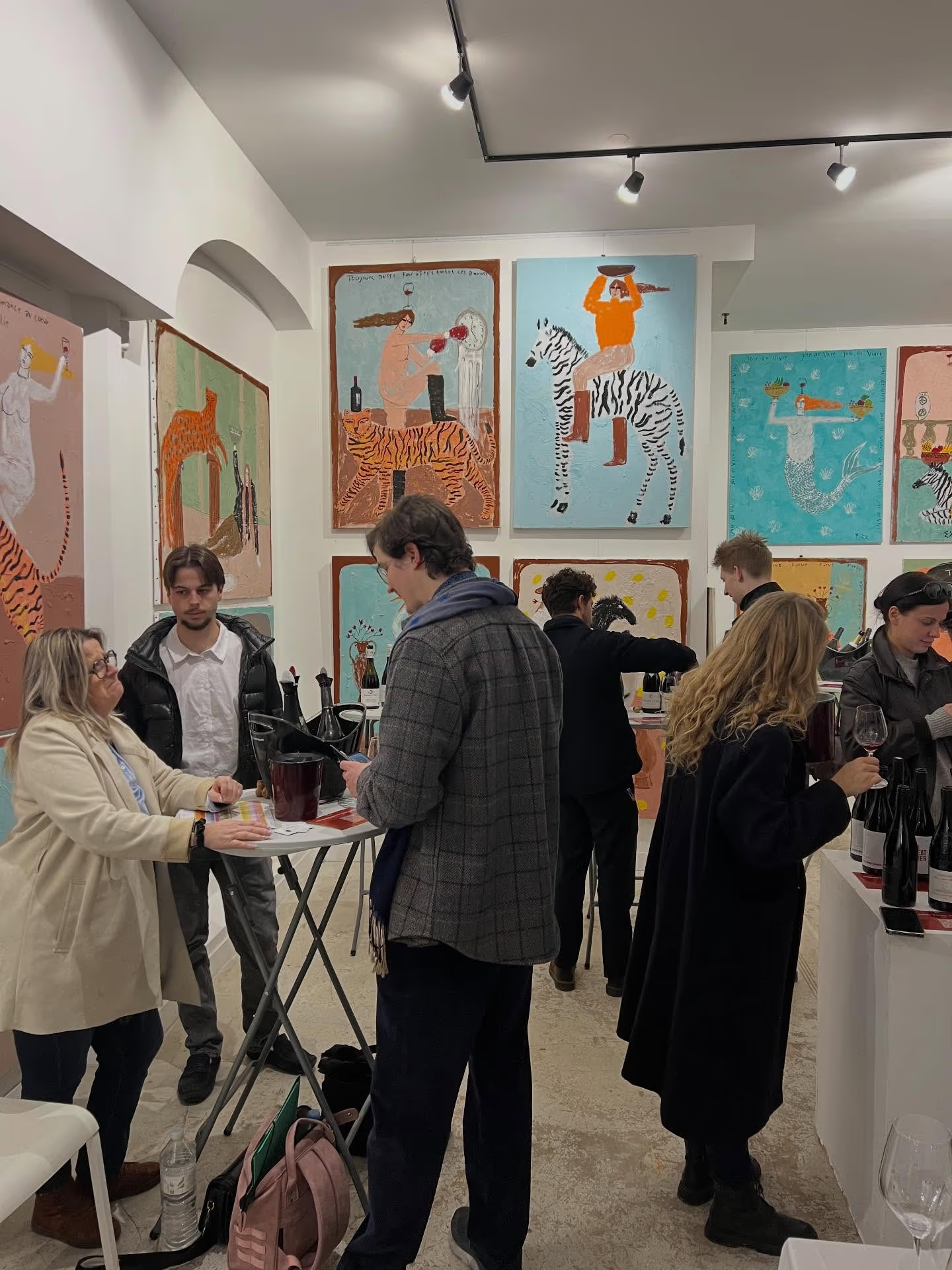
The best way to de-risk a reference remains tasting in professional conditions, meeting the winegrower. That is precisely the purpose of the professional tastings organised by Cepino: a tight selection, about one estate per appellation, where you put your questions on volumes, logistics and approach directly. You can also browse the selection of listed independent estates to prepare your visit.
Listing a new estate is not adding one more line: it is making a choice that commits your image and your cash. By screening each candidate on the wine, the estate and the logistics, then tracking its turnover, you build a list that is coherent, consistent and defensible at the counter. The next tasting is the right place to start.
More from the journal