Buying guide
Wine supplier for a restaurant: wholesaler or estate?
Finding a wine supplier for your restaurant or shop is rarely a matter of choosing a single contact. Most establishments combine several channels: a wholesaler for the basic references, one or two agents for certain regions, and estates bought direct for the wines that make the signature of the list. Each channel has its own logic, prices and constraints. Here is how to compare them, and how to find the balance between simplicity and character.
The four main ways of sourcing wine
The wholesaler or on-trade distributor
This is the simplest channel: a wide catalogue, a single order, a single delivery, often with beers, spirits and soft drinks. The distributor manages the stock, lead times are short and invoicing is centralised.
- Its strengths: logistical simplicity, availability, supplier credit.
- Its limits: references that your competitors also have, little information about the winegrower, and an intermediary margin included in the price.
The sales agent
The agent represents several estates, often from the same region, and is paid by a commission from the producers. They call on you, let you taste and pass on the orders.
- Its strengths: real selection work, estates that are sometimes hard to find otherwise, a contact who knows the wines.
- Its limits: delivery and invoicing often remain managed estate by estate, and the offer depends on their portfolio.
The négociant
The négociant buys grapes, bulk wines or finished bottles, and markets them under its own brand or under those of the estates. In Burgundy, Bordeaux or Champagne, it is a historic player.
- Its strengths: large volumes, consistency from one year to the next, complete ranges.
- Its limits: you buy a brand more than a winegrower, and the story to pass on to the customer is less personal.
Buying direct from the estate
You deal with the winegrower in person: trade price, order, delivery and invoicing are settled between you.
- Its strengths: the estate price, the direct relationship, small-batch cuvées, a first-hand story.
- Its limits: one supplier per estate, minimum orders and free-carriage thresholds to meet, deliveries to coordinate.
To these four channels are added online platforms aimed at professionals, which bring together the offer of many estates. Some sell the bottles themselves and take a margin or commission; others limit themselves to making the connection. The difference matters: in the first case, you buy from the platform; in the second, from the estate.
What buying direct from the estate changes
Buying direct is not only a matter of price. It is first a matter of information: the winegrower tells you how the vintage went, what is left in the cellar, which cuvée is coming. This information becomes selling points in the dining room or at the counter, and lets you anticipate your restocking.
It is then a matter of exclusivity. An independent estate produces in limited quantities and does not appear in every catalogue: the cuvée you have chosen is unlikely to end up on the list of the restaurant next door.
The constraints exist, and it is better to face them:
- Minimum orders: many estates set a number of cases or a free-carriage amount, above which delivery is free.
- Transport: lead times, carrier, handling of breakage. Each estate has its own conditions.
- Administration: more suppliers means more invoices, payments and follow-ups.
The remedy comes down to three moves: group your orders, anticipate restocking on the references that sell, and reserve direct buying for the wines that deserve the effort, those that make the difference on your list.
The hybrid model: simplicity for the base, character for the signature
For most restaurants and wine shops, the right answer is a mix. A scheme that often works:
- The foundation, wines by the glass with fast rotation, references that customers ask for by name, with one or two distributors, for simplicity.
- The signature, the cuvées that give the list its identity, direct, from a handful of estates followed over the long term.
- The discoveries, chalkboard, "new arrivals" page, shipments, to test new estates before installing them.
This split also helps organise the list itself: our method for building a restaurant wine list details the place of each tier and how to set its prices.
The questions to ask any wine supplier
Distributor, agent or estate: a few questions help avoid unpleasant surprises.
- Pricing terms: trade price excluding VAT, possible volume discounts, price changes from one vintage to the next.
- The minimum and free carriage: from what amount, or how many cases, is delivery free?
- Lead times and transport: how many days between order and receipt, and who bears breakage?
- Availability: what volumes over the year, and what happens when a cuvée sells out?
- The change of vintage: are you warned before receiving the new one? For a restaurant, it means a list to reprint.
- Payment terms: term, method of payment, possible deposit on a first order.
Faced with an estate you are discovering, our checklist for listing a new estate completes the list on the wine side and the consistency side.
Where to find estates that sell direct to professionals
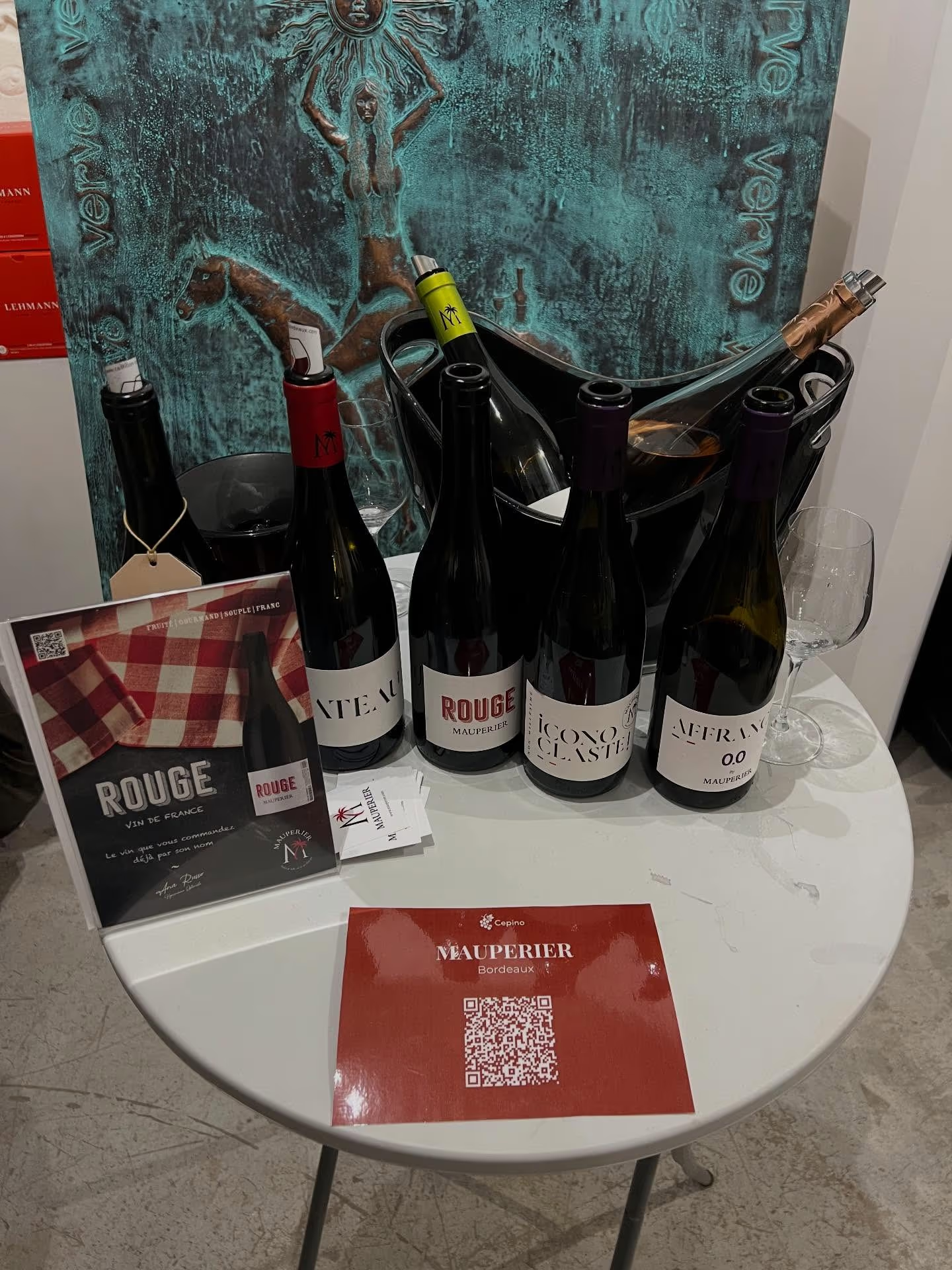
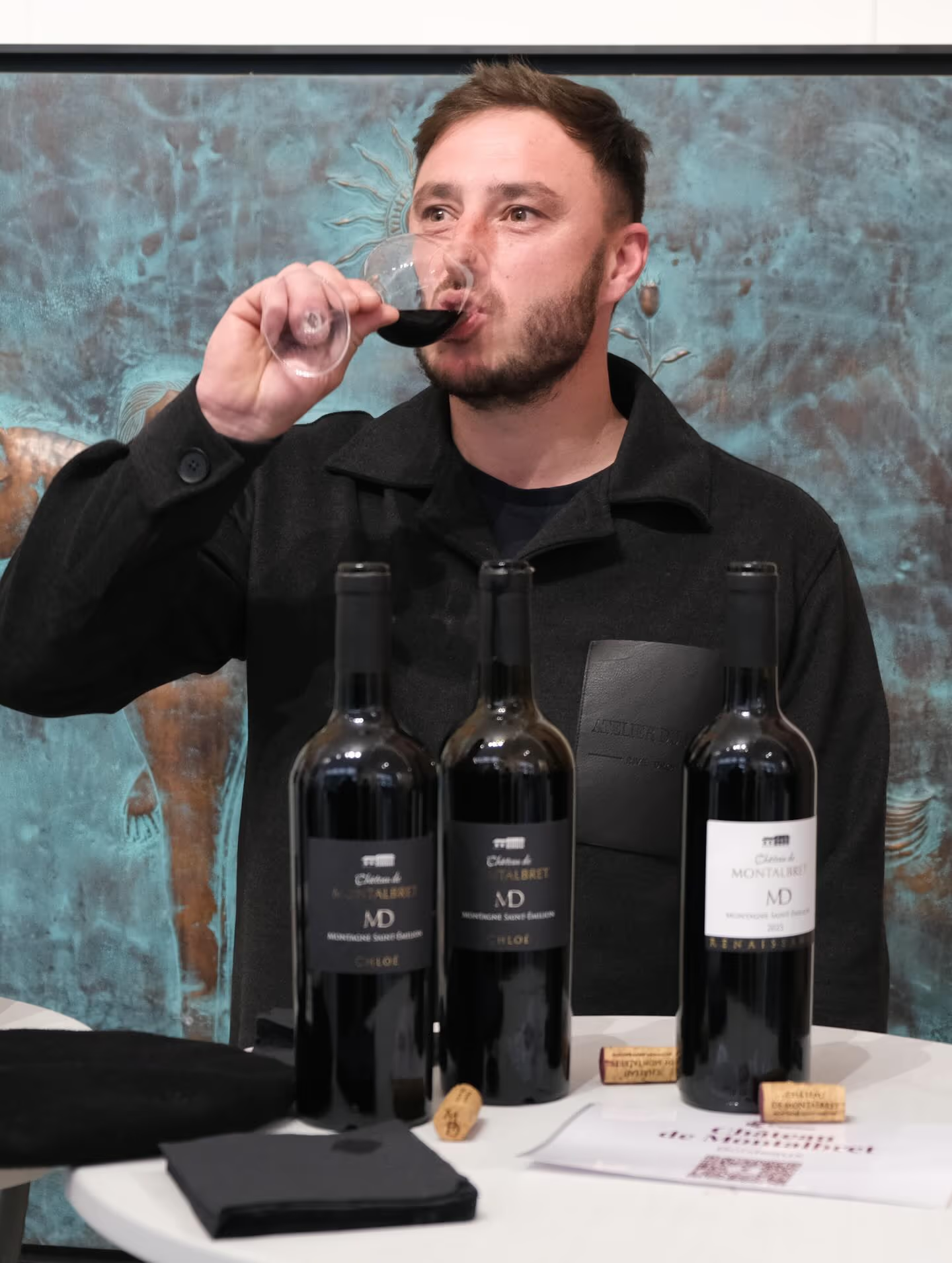
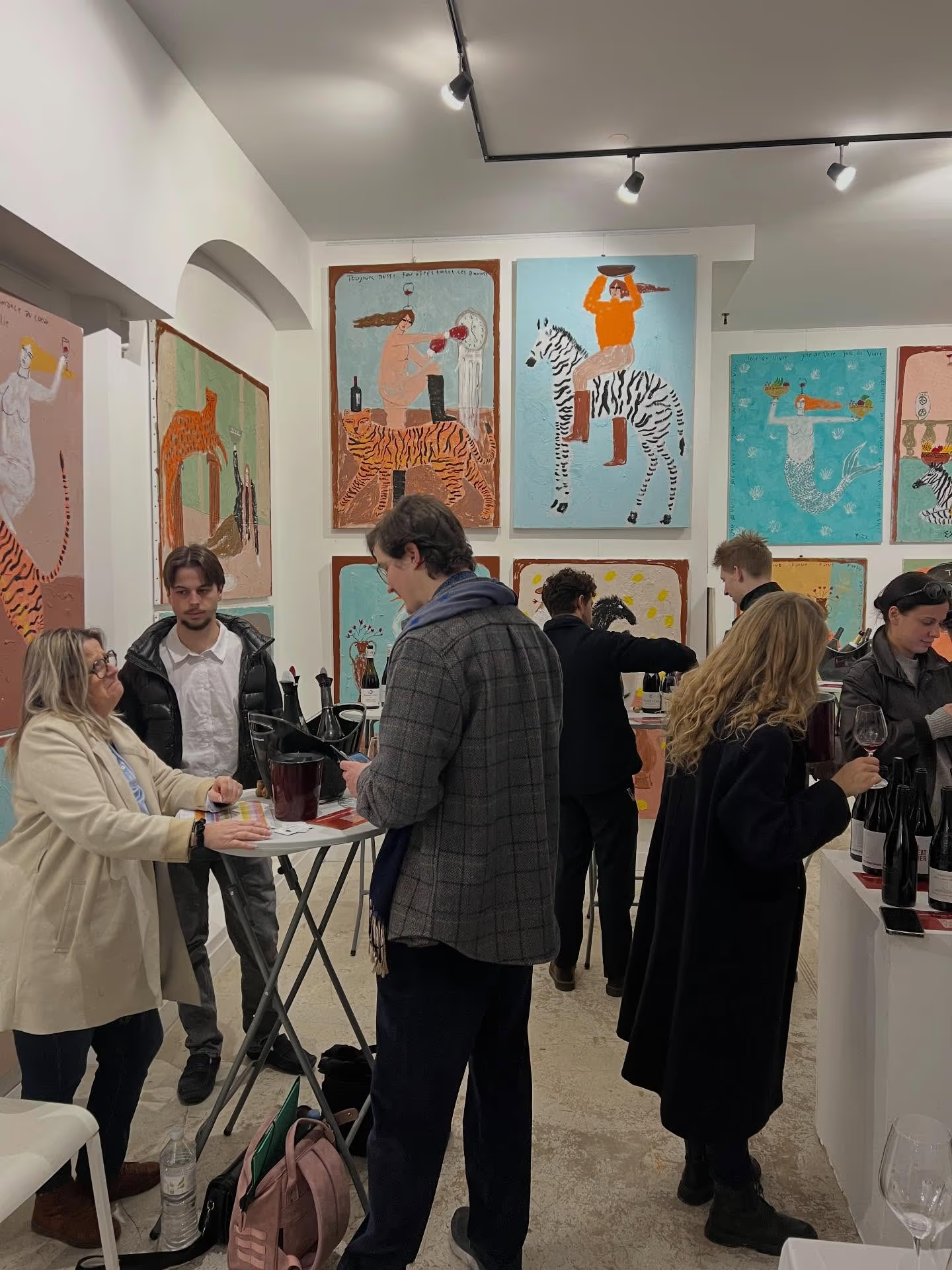
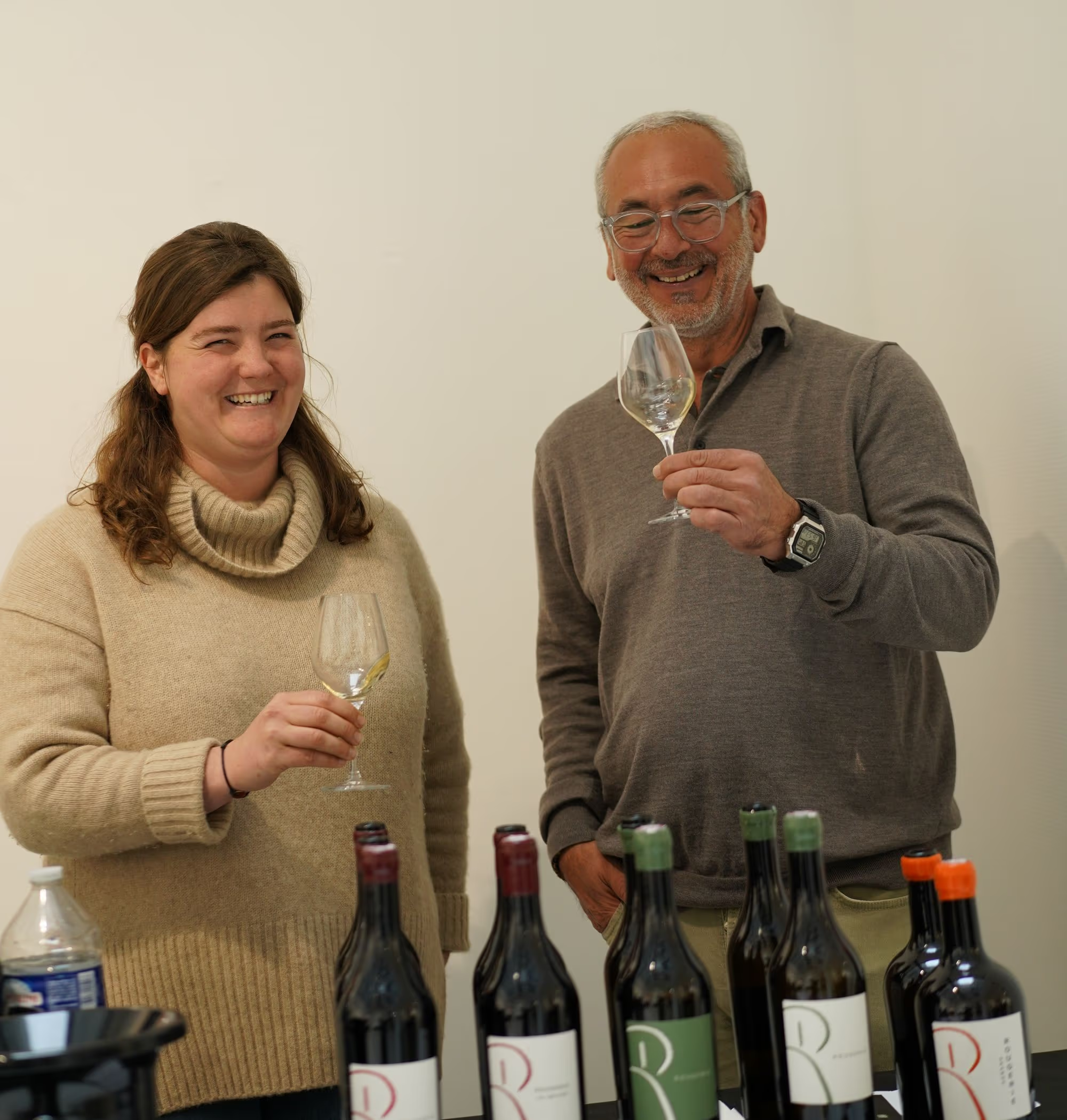
Buying direct, the hardest part remains finding the estates. Vineyard visits are valuable but time-consuming, word of mouth among peers is an excellent filter, and trade tastings let you taste a lot in a short time. The method for sourcing wines from independent winegrowers reviews these avenues.
That is Cepino's role: connecting trade buyers and independent estates, without getting in the way of the sale. Cepino is not a marketplace. Each estate sets its prices, its minimums and its shipping costs, and you deal with it direct, with no commission on orders. Access is free for trade buyers, the catalogue of estates and their cuvées can be browsed online as in the app, and every month a professional tasting in Paris lets you meet some thirty winegrowers in one evening.
Are you an agent, importer or distributor? Cepino also offers a space to present your estates to your customers: see the collaborators page.
In summary
There is no single good wine supplier, but a good combination. The distributor brings simplicity, the agent selection, the négociant consistency, the estate character and price. By reserving direct buying for the references that make up the identity of your list, you gain in margin and singularity without weighing down your administration.
More from the journal