Buying guide
Sourcing wines from independent winegrowers: the method
Sourcing wines from independent winegrowers means giving your list a signature that nobody can copy. But between thousands of estates, the round of intermediaries and generic fairs, direct sourcing quickly turns into a time-consuming headache. This guide gives you a concrete method to spot new estates, select them without a misstep and turn each meeting into a lasting reference, without swallowing up all your evenings.
Why source direct rather than through an intermediary
Buying direct from the estate changes three concrete things for a trade buyer.
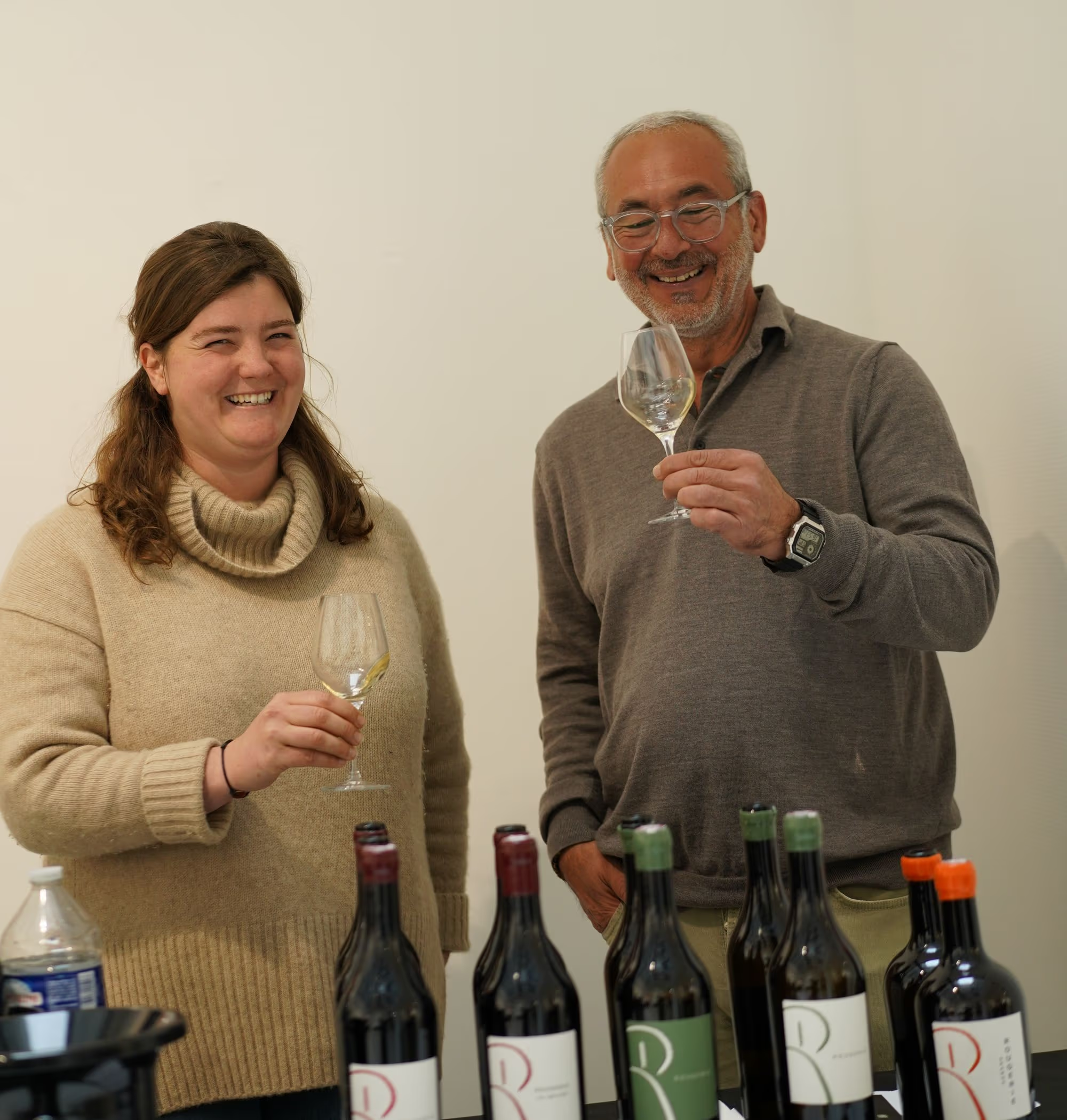
First, the dialogue. You talk to the winegrower, not to a salesperson reciting a technical sheet. You understand the technique, the vintage, the constraints of the parcel, all arguments you will reuse word for word in the dining room or behind the counter.
Next, exclusivity. With no intermediary or marketplace between the producer and you, the commercial relationship is clearer, and you gain access to small-batch cuvées that the wine shop next door will not have on its shelf.
Finally, the story. A wine that tells a story sells. By meeting the winegrower, you leave with the story that will make the difference with your customers. That is the whole point of a trade purchase conceived as a long-term relationship, not a mere transaction. To compare direct buying with the other channels (wholesaler, agent, négociant), see our comparison wholesaler or estate.
Where to find new estates
Direct sourcing means multiplying points of contact. Here are the most useful avenues, from the most profitable to the longest:
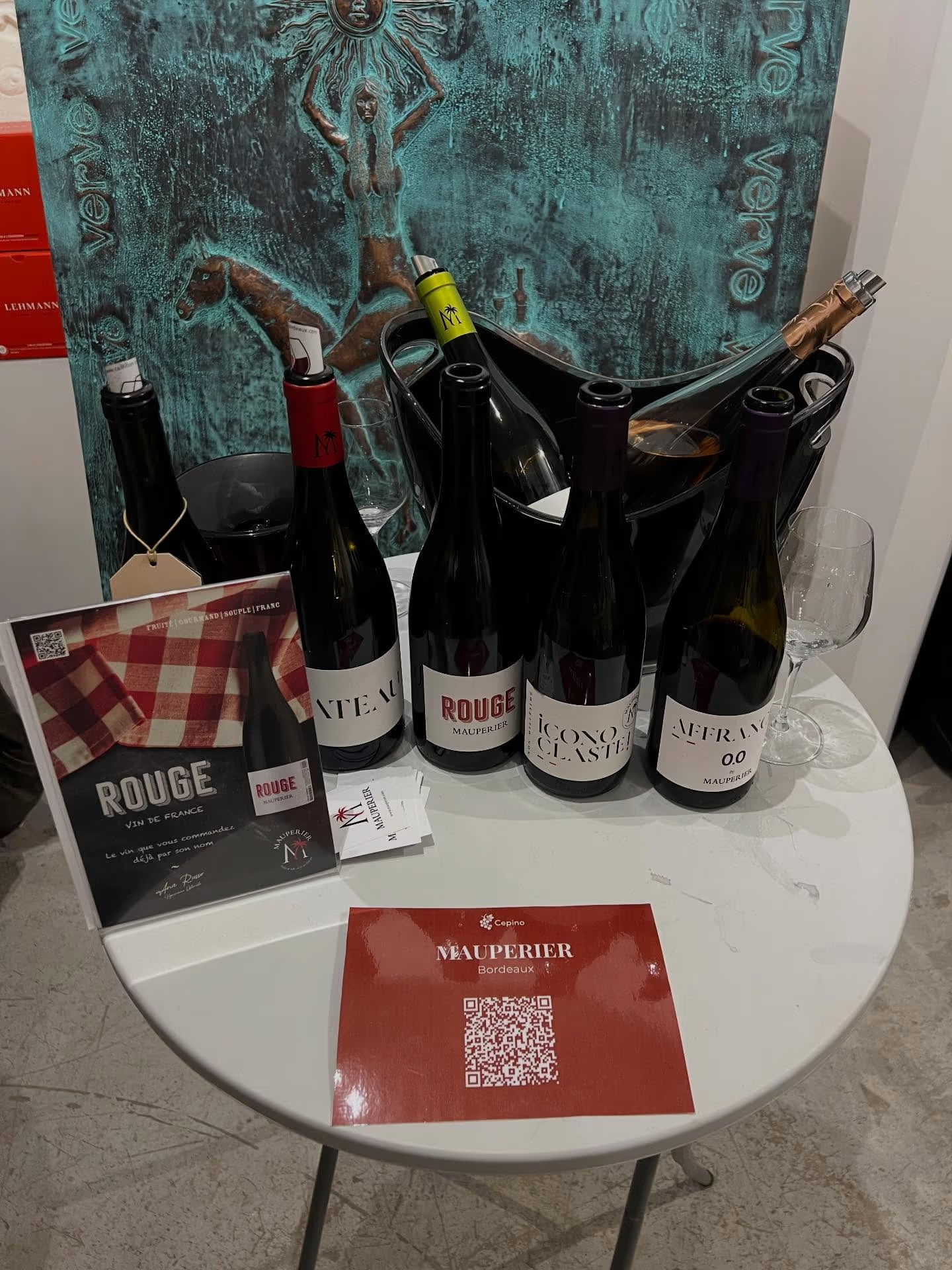
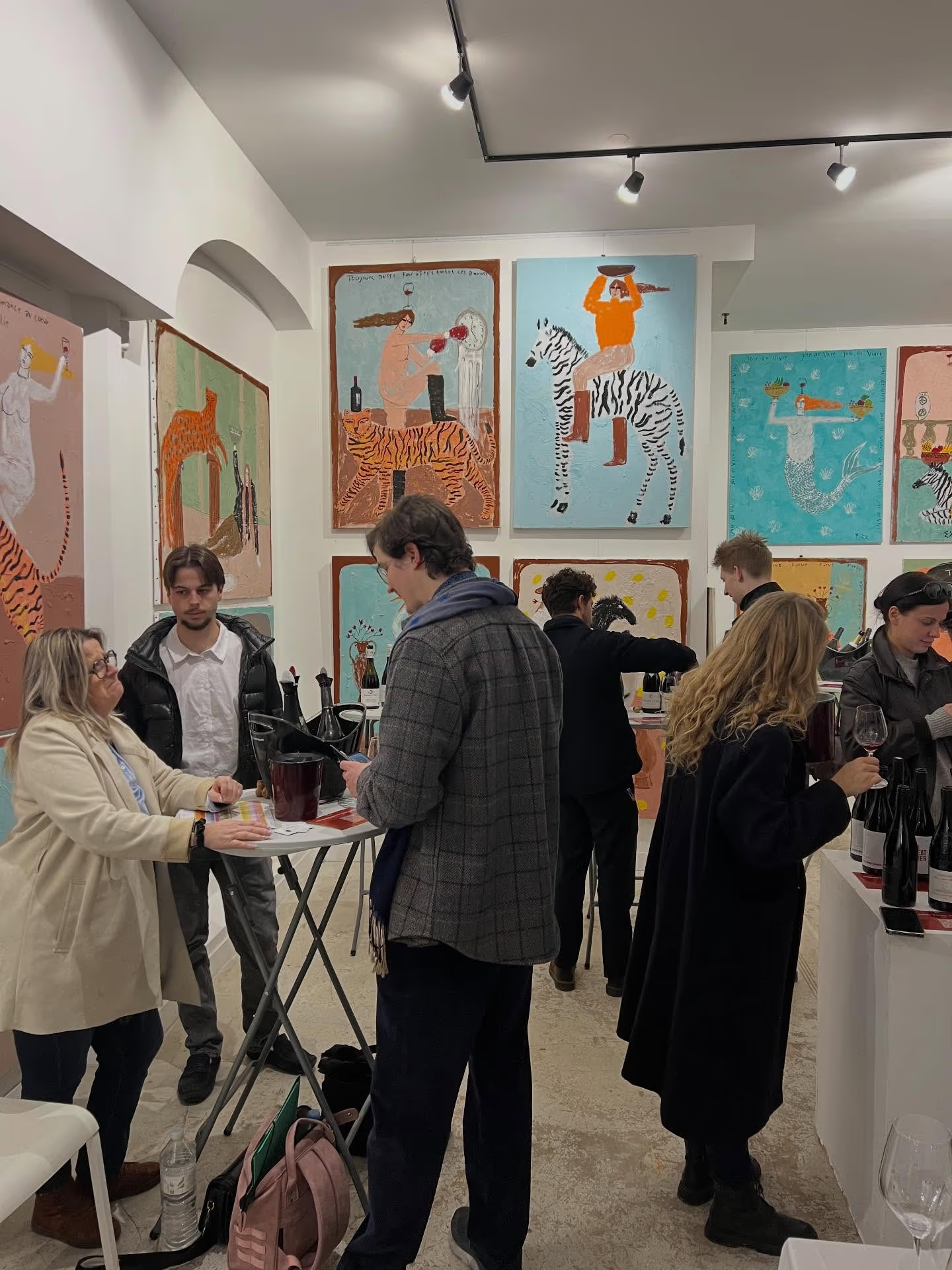
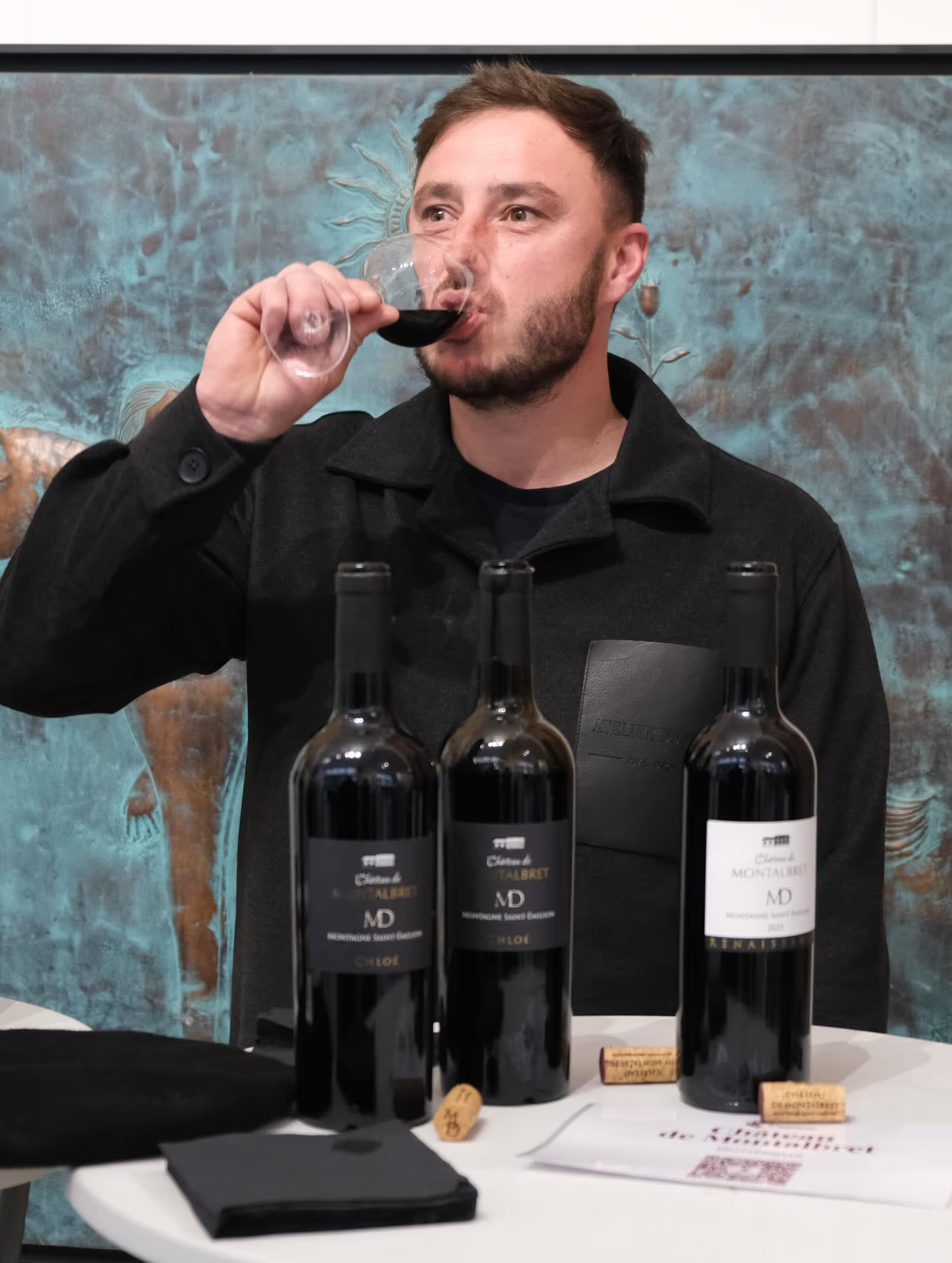
- Tight professional tastings. One evening, about one estate per appellation: it is the best time-to-meetings ratio for a buyer in a hurry. You taste, you compare side by side, you talk face to face.
- Word of mouth among professionals. A sommelier, a fellow wine shop owner, a chef: your peers are your best filter. What convinced them will save you precious time.
- Estate visits. Nothing replaces the sight of the vines and the cellar, but it is time-consuming; reserve it for estates already spotted and seriously considered.
To start from an already sorted base, rely on a selection of listed independent estates: the initial screening has been done upstream, and you concentrate your energy on the tasting itself.
The criteria for selecting an estate well
Falling in love with a wine at a tasting is a start, not a decision. Before committing a reference, run each estate through four criteria:
- Consistency. One fine vintage is not enough. Ask to taste two or three years to judge the estate's constancy over time.
- Volumes. A limited-production estate can find itself out of stock at the worst moment. Validate its capacity to keep up with you over the whole year, not just at launch.
- The story. Grape variety, parcel, way of working: note what struck you, because it is precisely what will sell at the table or in the shop.
- The environmental approach. Organic, HVE, biodynamic: you still have to know what each logo really guarantees. Our guide to understanding organic, HVE and biodynamic labels helps you talk about it accurately, without overselling.
The question of volumes, often underestimated
This is the point that most often causes problems. An independent winegrower produces, by definition, in limited quantity. Ask the question frankly from the first meeting: how many bottles can you hope for, how often, and what happens if a cuvée goes faster than planned? An honest estate will tell you its limits from the outset, and that is a rather good sign for a relationship meant to last.
Organising your follow-up after the tasting
This is the step everyone neglects, and yet it is what turns an evening into a renewed list. Always leave with a sheet per estate: name, appellation, what you liked, announced volumes and direct contact.
Then act quickly, while impressions are fresh:
- Get back in touch within 48 hours with the estates you have kept: your message lands while the tasting is still vivid in both memories.
- Set yourself a reasonable goal: two or three estates to list per event, not thirty. Better three references well followed than ten forgotten.
- Test before committing with a measured first volume, long enough to validate turnover on the shelf or in the dining room.
Before validating definitively, go through our checklist for listing a new estate: it reviews the wine, the estate and the logistics in a few simple points.
Widening your list, one meeting at a time
Widening your wine list is not played out on a catalogue, but on well-chosen meetings and rigorous follow-up. Sourcing wines direct from independent winegrowers ultimately comes down to three reflexes: knowing where to meet the winegrowers, which criteria to apply, and how to organise your follow-ups. The rest follows naturally. To put it into practice, the next Cepino professional tasting brings together every month a tight selection of estates and trade buyers in Paris, with registration reserved for professionals and validated by SIRET. A well-prepared evening, and your list has already begun to change.
More from the journal