A restaurant wine list is decided in a few seconds: the customer opens it, looks for a reference point, a price, a craving, then orders, or falls back on the wine of the month. Behind those few seconds lie weighty choices: how many references to carry, how to arrange them, at what price to sell them, what to offer by the glass. Here is a method to build the wine list of a restaurant step by step, from the plate to the markups, without tying up more cash than necessary.
Start from the plate and the dining room, not the stock
The first question is not "which wines do I like?" but "what do we eat here, and who comes to eat it?". A cuisine of fish and vegetables calls for more taut whites and light reds; a meat brasserie, the opposite. A hurried business lunch does not order like a Saturday-night table.
Before choosing a single bottle, set three reference points:
- The average spend of your establishment: it sets the price zone where most sales will happen. A list where most bottles exceed what your customers spend on their meal will be read, not ordered from.
- The signature dishes: each must find at least two obvious pairings on the list, at two price levels.
- The moment of consumption: aperitif, meal, glass on the terrace. A restaurant that does a lot of aperitifs gains by taking care of its sparkling wines and whites by the glass.
How many references for a wine list?
There is no ideal figure, but one rule almost always holds: a short, refreshed list sells better than a long, static one. Each reference ties up cash, takes up space in the cellar and requires the team to know it.
A few orders of magnitude to get your bearings:
- Bistro or neo-bistro: fifteen to thirty references are enough, often supplemented by a rotating chalkboard.
- Traditional restaurant or brasserie: thirty to sixty references, with depth in the regions that go with the cuisine.
- Fine-dining table: the list can extend widely, old vintages included, but it then relies on a sommelier to carry it.
The right test remains that of service: if a waiter cannot say two sentences about a wine, that wine will only sell by chance. Better twenty-five bottles the team can talk about than sixty it discovers at the same time as the customer.
Structure the list so that it reads well
Three classification logics coexist, and none is bad in itself:
- By colour, then by region: the most widespread arrangement, reassuring for the customer looking for a Chablis or a Saint-Émilion.
- By style ("lively whites", "gourmand reds", "reds for laying down"): more meaningful for a customer who does not know the appellations, and easier to sell for a young team.
- By ascending price within each section: to be combined with one of the first two, it saves the customer from hunting for the bottom of the list.
Whichever logic you choose, think about the price ladder. In each section, offer an accessible entry level, a core of the list where most of the volume is made, and one or two more ambitious bottles. The customer who hesitates rarely chooses the cheapest bottle; they often take the second. That is the rung where your margin is made.
Finally, indicate what helps people choose: appellation, estate, vintage and, where relevant, the winegrower's approach. On this last point, be accurate: our guide to organic, HVE and biodynamic labels recalls what each logo really guarantees.
Setting prices: markup or margin in euros
The most common method is to apply a markup (coefficient) to the purchase price excluding VAT. In restaurants, the markups applied to the bottle are often between 3 and 4 depending on the establishment's positioning, an order of magnitude, not a standard. The displayed price is then understood including VAT, with VAT at 20% on alcoholic drinks.
A simple example: a bottle bought at €8 excl. VAT, with a markup of 3.5, sells at €28 excl. VAT, or €33.60 incl. VAT. The gross margin is €20 per bottle.
The single markup nonetheless has a limit: it makes the price of expensive wines explode. The same rule applied to a bottle bought at €25 excl. VAT gives €87.50 excl. VAT, or €105 incl. VAT, a price that discourages ordering. Many restaurateurs then move to a sliding markup, or even a fixed margin in euros at the top of the list. Sold at €55 excl. VAT (€66 incl. VAT), the bottle bought at €25 excl. VAT brings in €30 of gross margin, more than the entry-level bottle, and it sells.
Remember the principle: you bank euros, not percentages. A list that nudges the customer towards a slightly more ambitious bottle, at a price that remains reasonable, earns more than a list with maximum markups that nobody orders.
Wine by the glass, the shop window of the list
Wine by the glass is often the customer's first contact with your selection, and one of the best margin levers. A 75 cl bottle serves six 12.5 cl glasses: the price per glass is calculated on that basis, with a markup generally higher than on the bottle to cover losses.
Losses are precisely the real subject. An opened bottle deteriorates within a few days; the by-the-glass offer must therefore follow your service rhythm:
- Few references that turn over quickly: two or three whites, two or three reds, one sparkling, rather than a dozen opened bottles.
- A preservation system if you want to serve more expensive wines by the glass: vacuum stopper, inert gas or a dispensing device that draws wine without uncorking.
- Regular rotation: the glass is the ideal place to test a new reference before putting it on the list.
Keeping the list alive
A wine list is never finished. Vintages change, cuvées run out, seasons call for other cravings. To keep it alive without rewriting everything every month:
- Track sales by reference: those that do not move tie up money and deserve replacing.
- Keep a chalkboard or a "discoveries" page for new arrivals, small cuvées and trials.
- Review the list two to four times a year, in step with the seasons and menus.
- Have the team taste each new reference: a wine tasted by the waiter sells, an unknown wine stays in the cellar.
Before listing a new wine, put it through our checklist for listing a new estate: consistency, volumes, logistics. It is what will spare you a stock-out in the middle of service.
Finding the wines that will make the difference
The best-built list remains banal if it lines up the same labels as the restaurant across the street. The references that get a table talked about often come from independent estates, bought direct, with a story the team can tell. To choose your purchasing channels, our comparison wholesaler or estate details what buying direct changes, and the method for sourcing wines from independent winegrowers helps you spot the right estates.
On the sparkling side, a well-chosen grower champagne sets your list apart from a list of big brands, often at a gentler price for the customer.
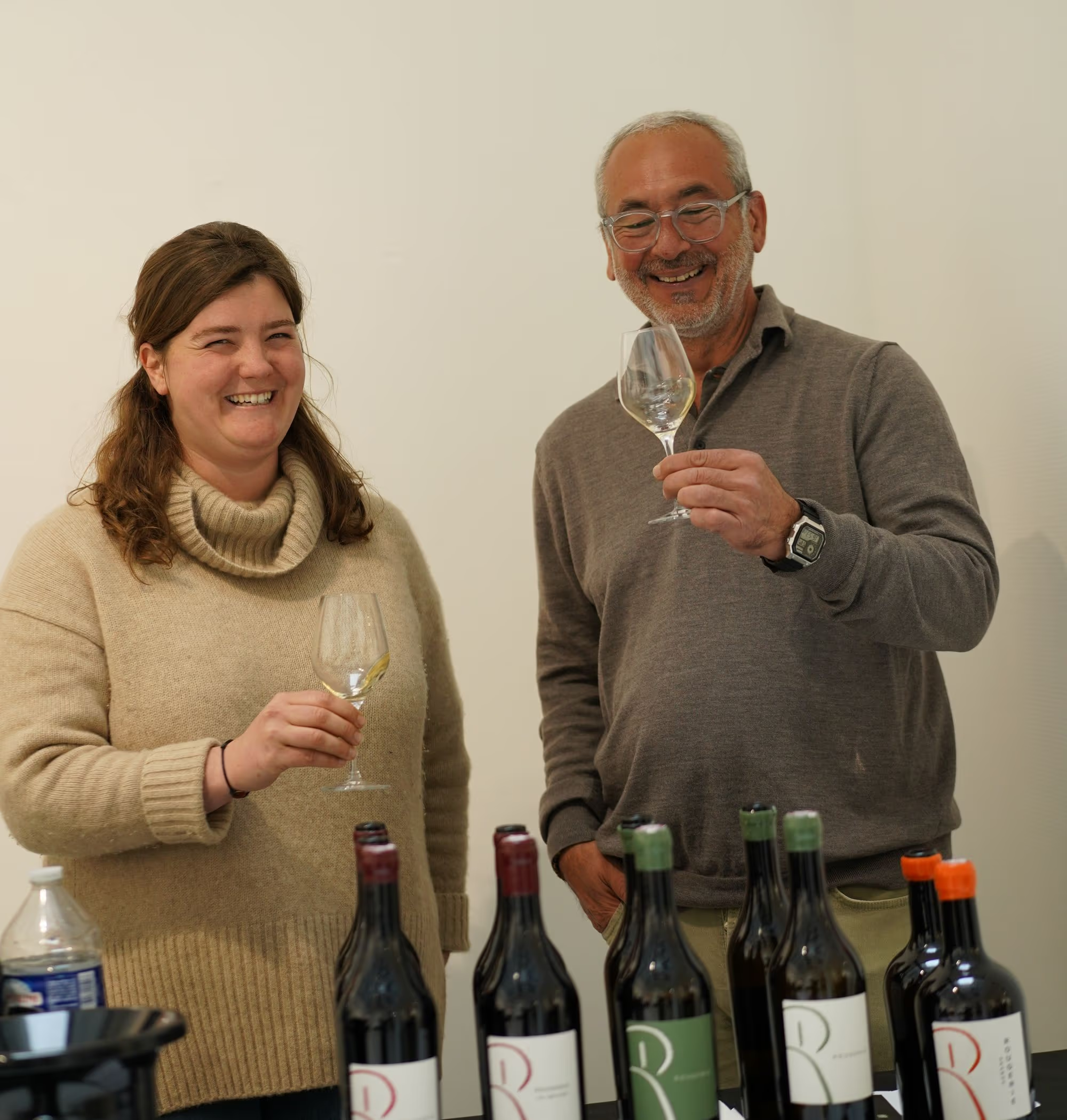
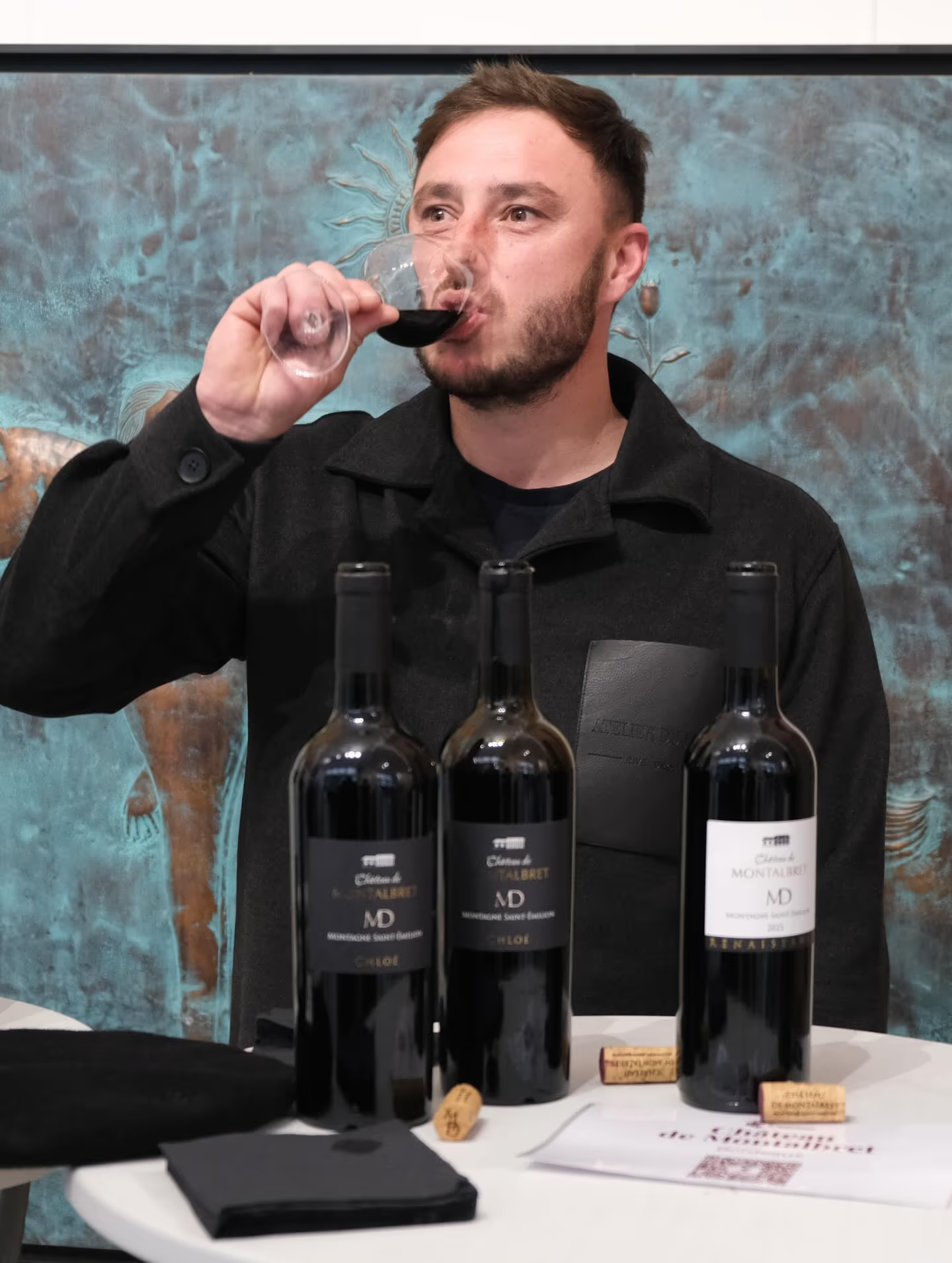
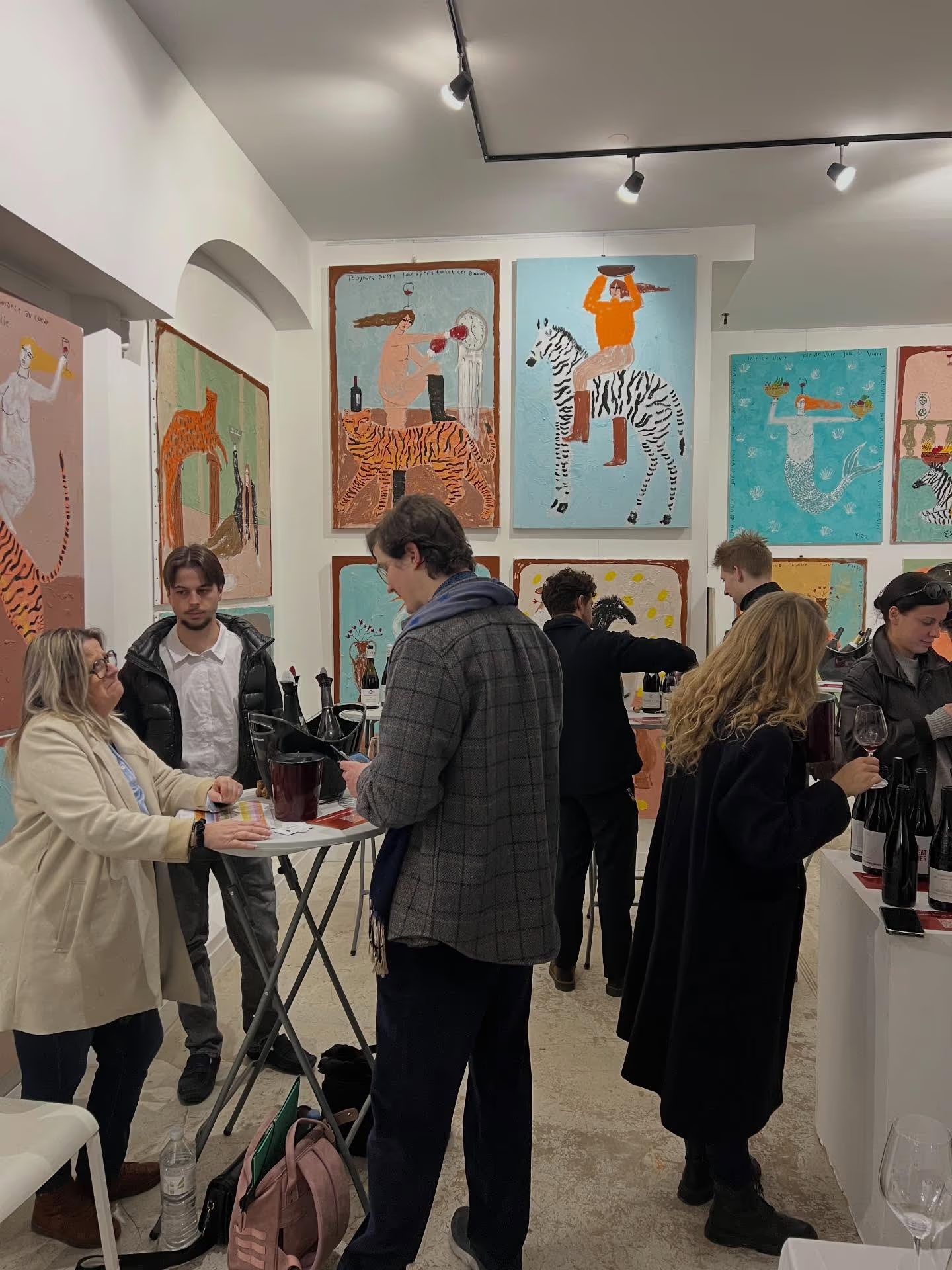
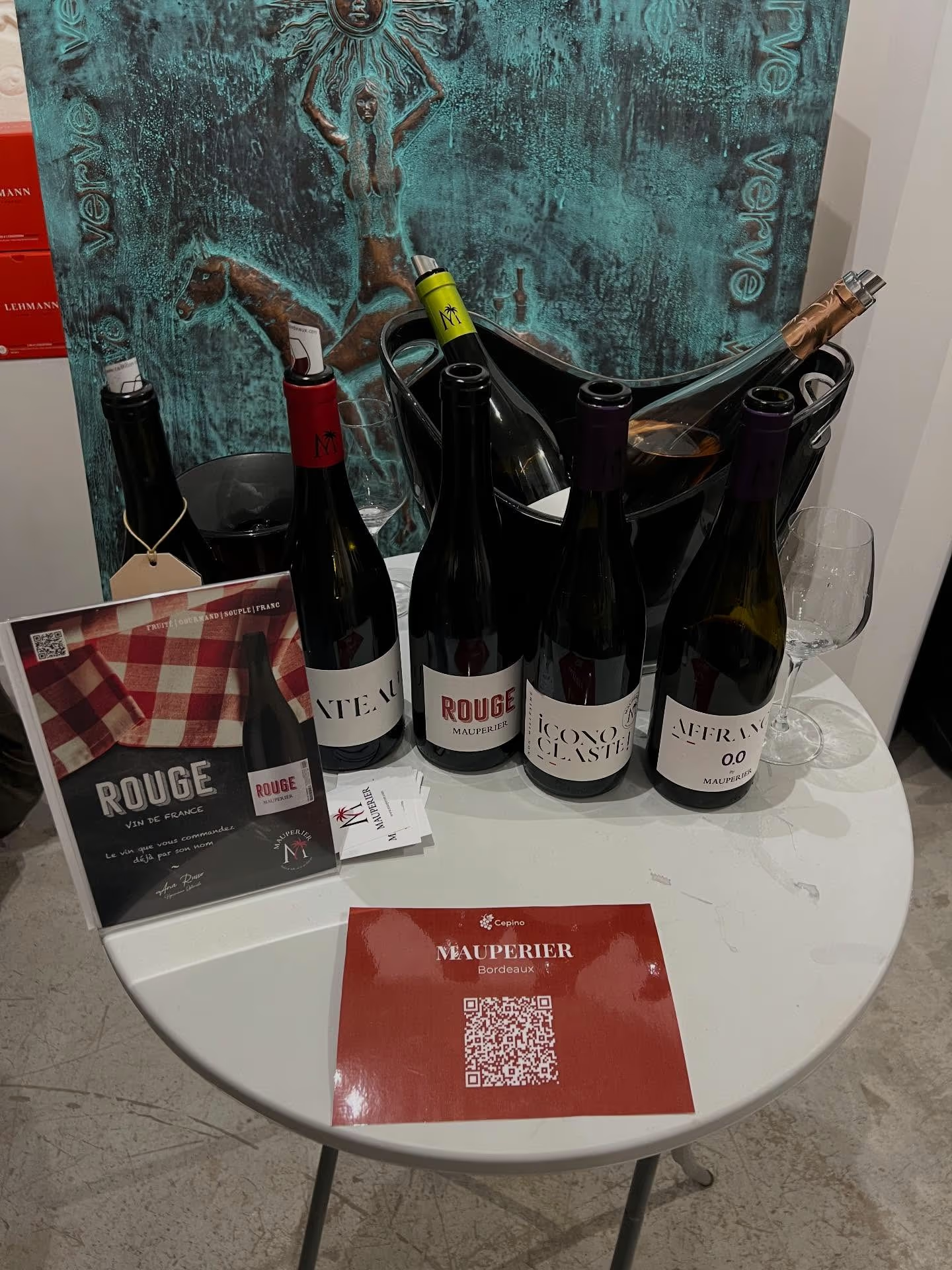
To taste before buying, the Cepino trade tastings bring together some thirty independent estates every month in Paris, one per appellation, most often on a Monday, the closing day of many restaurants. Access is free for trade buyers, and the selection of listed estates can be browsed online to prepare your visit.
In summary
Building a restaurant wine list means starting from the kitchen and the clientele, keeping a short list that the team masters, organising it so that it reads well, setting prices that make people buy rather than markups that make them flee, and keeping it alive through the seasons. The rest is a matter of encounters: it is the estates you choose that will give your list its character.
More from the journal