For producers
Selling your wine to wine shops and restaurateurs: the method
Selling at the cellar door, at consumer fairs or online, many estates know how to do it. Selling your wine to wine shops and restaurateurs is another trade: the trade buyer is not looking for a bottle for tonight, but for a reference they will resell for months, with a margin, to customers they know. For an independent winegrower, it is a valuable outlet (regular volumes, an enhanced image, ambassadors in the cities) provided you speak their language. Here is a method in six steps.
1. Understand what a trade buyer is looking for
A wine shop owner or sommelier tastes a lot, and often says no. Not necessarily because the wine is bad: because it does not answer one of their questions.
- Does this wine have a place in my range? It fills a missing appellation, a style, a price level, or it duplicates.
- Is it consistent? The buyer will have to restock in six months and find the wine they sold.
- Can the estate keep up? Volumes, lead times, availability of vintages.
- Will I know how to sell it? The story, the approach, what makes the cuvée different.
Buyers run through these questions almost word for word. Our checklist for listing a new estate, written for them, shows exactly what they look at: prepare your answers before the first meeting.
2. Set a coherent trade price
The trade price is the most frequent mistake, in one direction or the other. To set it, reason backwards, from the price the end customer will pay:
- At the wine shop, the markup between the purchase price excl. VAT and the selling price incl. VAT is often around 1.8 to 2. A bottle sold at €10 excl. VAT to the wine shop will therefore end up around €18 to €20 on the shelf.
- In the restaurant, markups on the bottle are commonly between 3 and 4. The same bottle will be sold between €30 and €40 excl. VAT, or €36 to €48 incl. VAT on the list.
These orders of magnitude vary from one establishment to another, but they allow an essential check: the shelf price at the wine shop must remain consistent with your cellar-door price. If a customer finds your wine clearly cheaper at the estate than in the shop, or the reverse, one of your two channels will suffer.
Then formalise a clear trade price list: price excl. VAT per cuvée, packaging, minimum order, free-carriage threshold, delivery times and payment terms. A buyer who has to chase you three times to get a price will move on to the next estate.
3. Prepare your sales tools
Before prospecting, put together a simple, up-to-date file that you can send in one click:
- A technical sheet per cuvée: appellation, grape varieties, soils, vinification, ageing, alcohol level, pairings, cellaring potential.
- A presentation of the estate: who you are, where your vines are, how you work. One page is enough.
- Quality photos: cut-out bottles, vines, cellar, and you. Buyers use them for their website, their social networks, their list.
- Your approach, without overdoing it: certification, vineyard practices. Buyers are attentive to precision; our guide to organic, HVE and biodynamic labels shows how they talk about it to their customers.
- Samples available quickly, for the buyer who wants to let their team taste.
To see what this file looks like once online, browse the sheets of the estates listed on Cepino: presentation, approach, cuvées, each sheet takes up these elements.
4. Find wine shops and restaurateurs
Several channels coexist, and most estates combine two or three:
- Direct prospecting: visits, calls, e-mails. Effective when targeted (a wine shop whose selection resembles yours, a restaurant whose cuisine calls for your wines), exhausting when done at random.
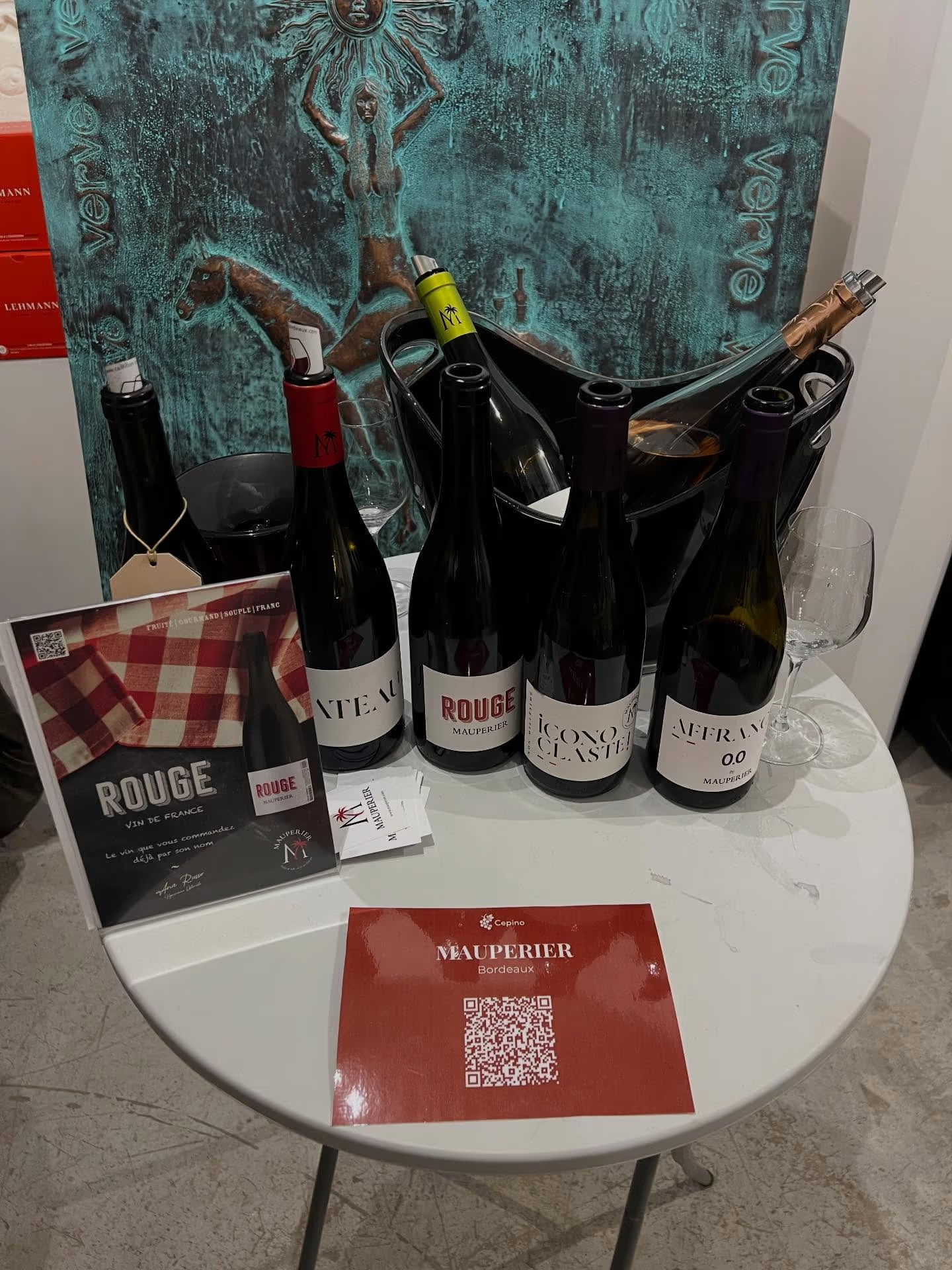
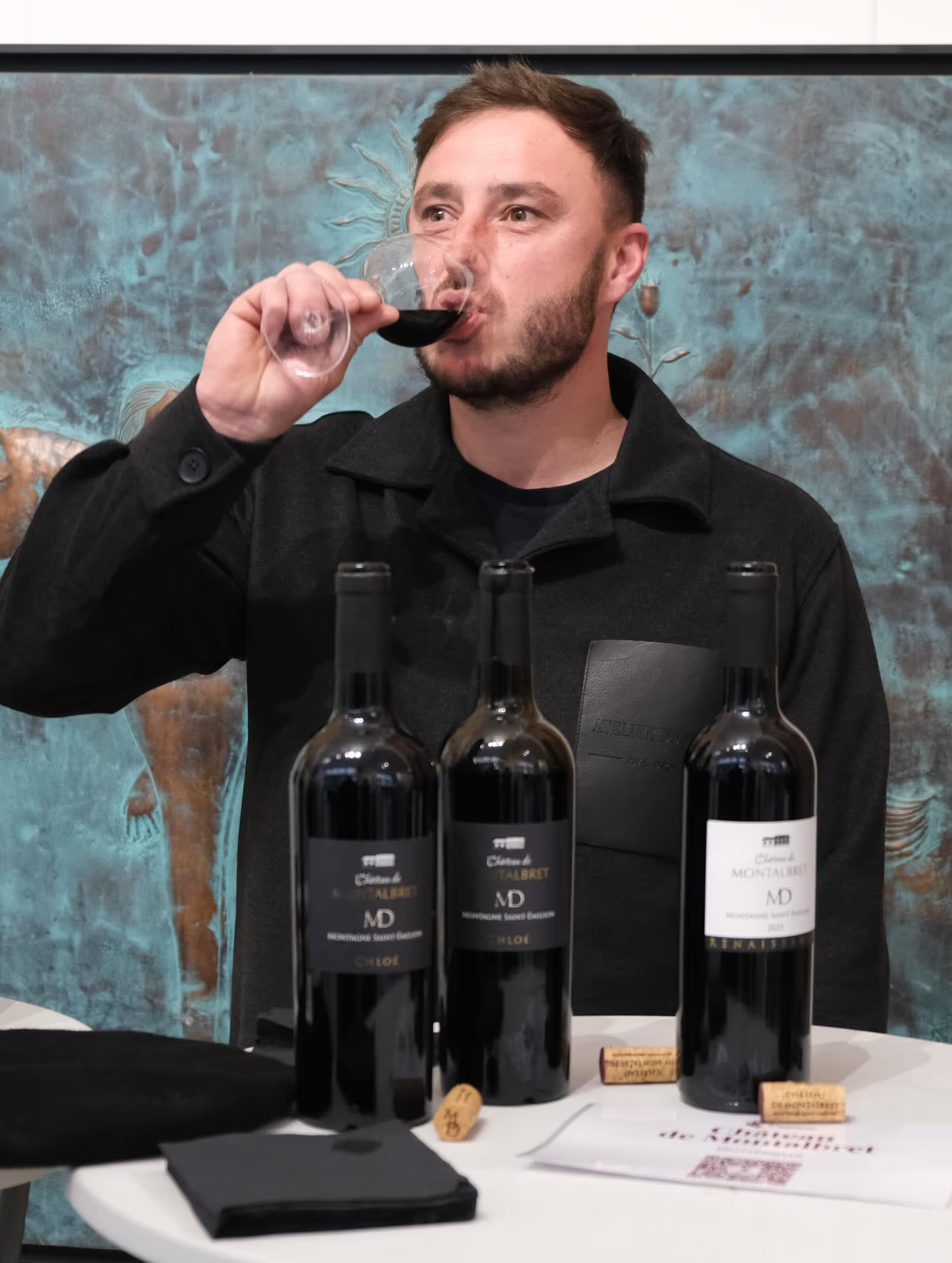
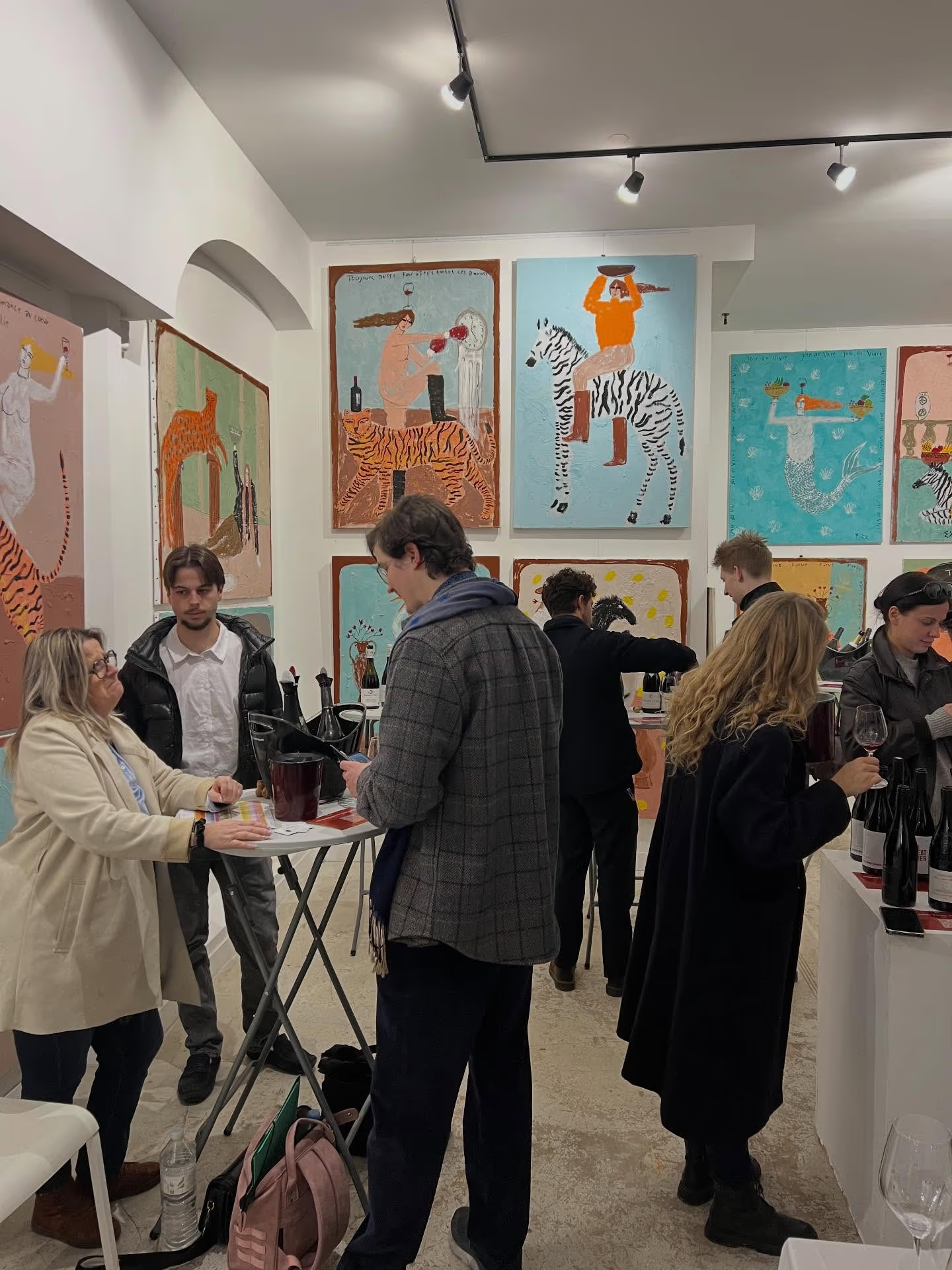
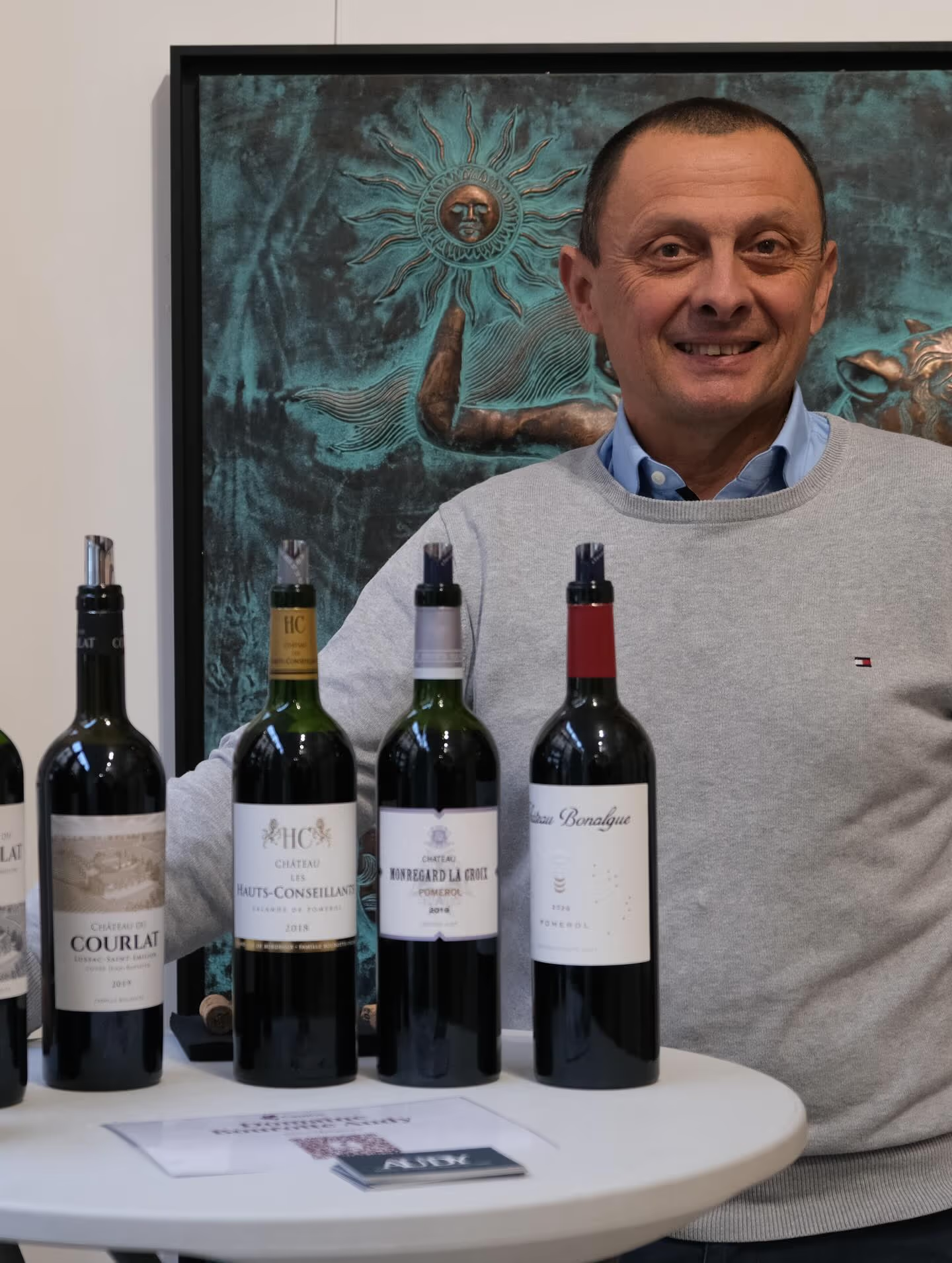
- Trade fairs: the way to let many buyers taste in a short time, provided you choose the right format. Our guide to exhibiting at a professional wine fair helps you decide.
- Sales agents: they open a portfolio of customers in a given area, in exchange for a commission on sales.
- Word of mouth among professionals: a convinced sommelier talks about you to their peers. It is slow, but it is the most solid channel.
- Matchmaking platforms: they make your estate visible to buyers actively looking for new references.
For their part, buyers also compare these channels; our comparison wholesaler or estate, written for restaurateurs, shows what they expect from a direct supplier.
5. Make a success of the first contact
A wine shop owner receives proposals every week. To make yours stand out:
- Do your homework first: look at their selection, their list, their website. Offer a cuvée that makes sense for them, not your entire range.
- Personalise your message: two or three sentences on what made you think of their establishment are worth more than a brochure.
- Offer to let them taste: a visit with two or three bottles, an invitation to a tasting, a sample.
- Respect their time: avoid Saturdays and the lunchtime rush. For a restaurateur, mid-afternoon or the closing day are often the best moments.
- Follow up once, politely, one to two weeks later. Beyond that, leave the door open and come back with the next vintage.
6. After the first order: building loyalty
The first order is often a test: a few cases, to see how the wine sells. It is afterwards that everything is decided.
- Check in a few weeks after delivery: is the wine selling? Does the team need material to talk about it?
- Warn of changes: new vintage, cuvée soon sold out, price increase. A restaurateur who discovers a change of vintage on delivery has to reprint their list.
- Offer to train the team: a tasting before service, a visit to the estate. A waiter who has met the winegrower sells their wines better.
- Anticipate restocking: note the order frequency of each customer and get ahead of it.
A loyal trade customer orders every year, talks about you and recommends you. It is an estate's best commercial investment.
Meeting trade buyers with Cepino, without an intermediary
Cepino was designed for this meeting. The listed estates present their cuvées in a catalogue consulted by trade buyers (wine shops, restaurateurs, sommeliers, agents) whose activity is verified by SIRET. Buyers contact you direct; you set your prices, volumes and terms, and you sell at the estate price, with no commission. Cepino never gets in the way of the transaction.
Every month, a professional tasting in Paris brings together some thirty estates and a hundred buyers, with a rule that changes everything for an exhibitor: only one estate per appellation. The first tasting is included in the membership. The terms are detailed on the producers page, and the tastings page announces the next dates.
In summary
Selling your wine to wine shops and restaurateurs means putting yourself in the buyer's shoes: a wine that has its place in their range, a price consistent with their margin as well as with your cellar door, ready-to-use tools, a targeted approach, then attentive follow-up. The estates that succeed in this channel are not always those with the best wines: they are those that make their customers' lives easier.
More from the journal