“Is your wine organic?” The question comes up every week, in the dining room and at the counter. To answer without approximation, a trade buyer must master the wine labels: organic, HVE and biodynamic. These three logos do not measure the same thing, do not address the same customer and do not commit to the same level. Here is what each certification really guarantees, where its promises stop, and how to talk about it accurately without ever overselling.
Organic (AB): what organic farming certifies
The AB logo and the European Euro-leaf signal an organic farming certification checked every year by an approved independent body. In the vineyard, the specification bans synthetic products (herbicides, pesticides and chemical fertilisers) in favour of natural, regulated inputs. Since the 2012 vintage, European regulation also governs the cellar: a restricted list of additives and a sulphite ceiling lowered compared with a conventional wine.
Three points to keep in mind before talking about it:
- What it guarantees: growing and winemaking practices, not a taste or a health promise.
- Its limit: copper and sulphur remain authorised, and the label does not measure the overall biodiversity of the estate.
- The mistake to avoid: "organic" does not mean "sulphite-free". An organic wine contains them, just less.
HVE: an environmental performance, not a ban
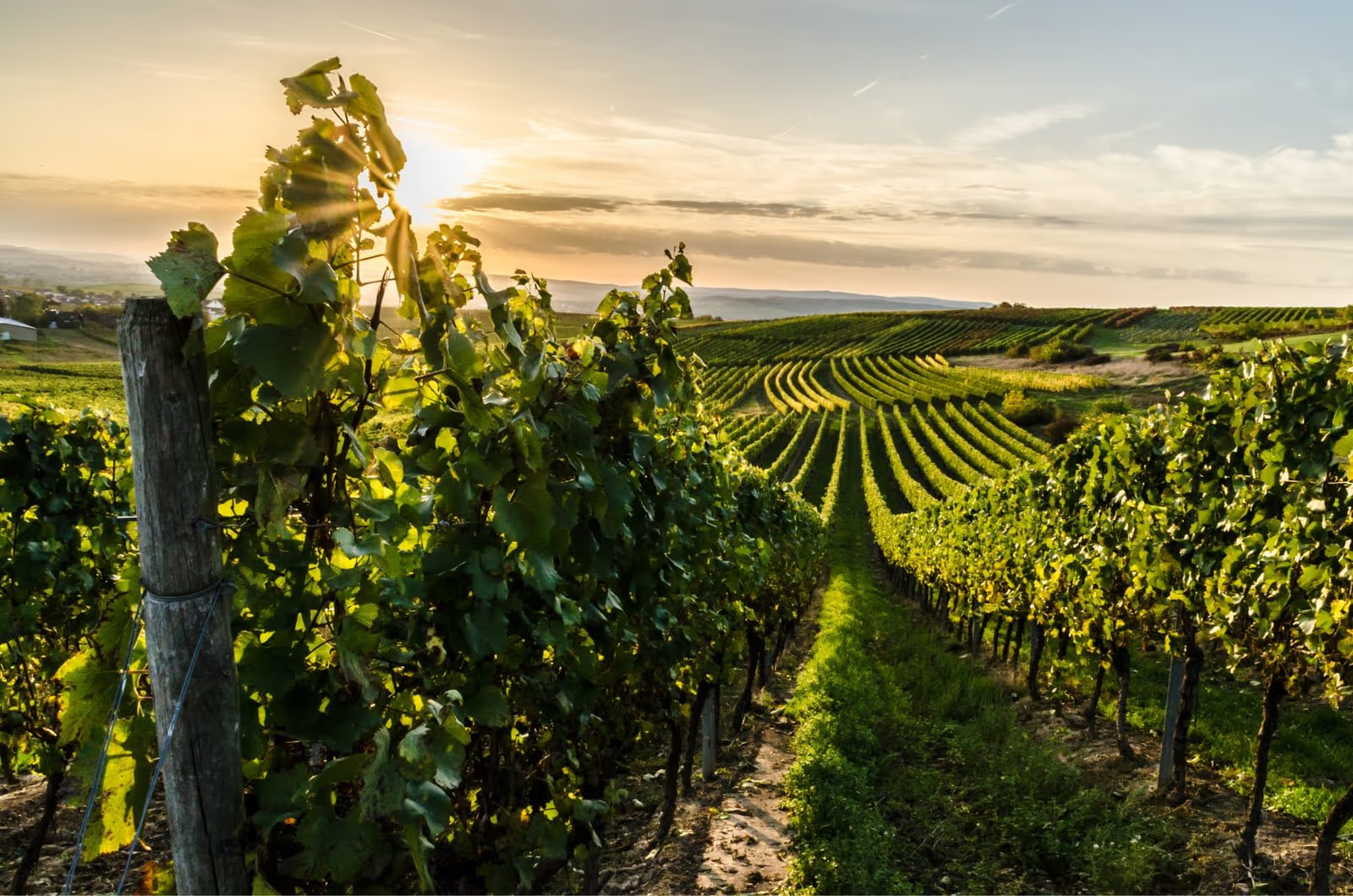
Haute Valeur Environnementale (High Environmental Value) corresponds to the third and final level of the environmental certification of farms. It works at the scale of the whole farm: biodiversity, plant protection strategy, fertilisation, water management. It is not a label specific to wine; any farm can obtain it.
A crucial point for an honest pitch: HVE does not ban synthetic treatments. It assesses an overall environmental performance and applies only to the vineyard, never to winemaking. It is a trajectory, not a red list of inputs.
Organic or HVE: two things not to be confused
This is the most frequent confusion at the counter. The difference between organic and HVE lies in their very logic:
- Organic bans families of inputs: it is an obligation of means, in the vineyard as in the cellar.
- HVE aims for an overall environmental result at estate scale, while allowing certain synthetic molecules.
Neither is "superior" in absolute terms: they do not measure the same thing, and one estate can hold both. Presenting HVE as "almost organic" is therefore both false and easy to sell, exactly the shortcut that discredits a buyer in front of an informed customer.
Biodynamics: Demeter and Biodyvin
Biodynamics extends organic by relying on the principles of Rudolf Steiner: the estate conceived as a living organism, preparations made from plants and minerals, work paced by the calendar. A biodynamic wine therefore always starts from organic grapes, with an additional requirement on top.
Two certifications set the standard:
- Demeter, an international brand covering all agricultural products.
- Biodyvin, backed by a winegrowers' association and specific to wine.
Remember the pair Demeter / Biodyvin as the two credible reference points of certified biodynamics: both first require organic certification, then their own specification. These are often highly committed estates, to be reserved for curious customers, with a word of explanation to go with it. In Champagne too, there are winegrowers certified organic or biodynamic: our guide to grower champagne gives examples.
And what about "natural wine"?
Natural wine does not follow the same mechanics. There is no public certification as regulated as AB: the reference is a charter ("Vin Méthode Nature") backed by an association, more recent and less widespread. Its principles (organic grapes, indigenous yeasts, almost no inputs, very limited sulphites) are demanding. But a wine simply called "natural", outside this charter, commits to nothing verified. To be handled with care in your sales pitch.
Talking about it accurately in the dining room, without overselling
A logo on the label reassures; it is your explanation that triggers the purchase. A few simple reflexes:
- Say what the label certifies, not what the customer hopes to hear.
- Never promise "sulphite-free" for an organic or biodynamic wine.
- Do not turn HVE into the equivalent of organic.
- Remind people that an uncertified wine is not "conventional" by default: many independent winegrowers work cleanly without claiming a label, by choice or because the process is expensive. It is a point to dig into when listing a new estate.
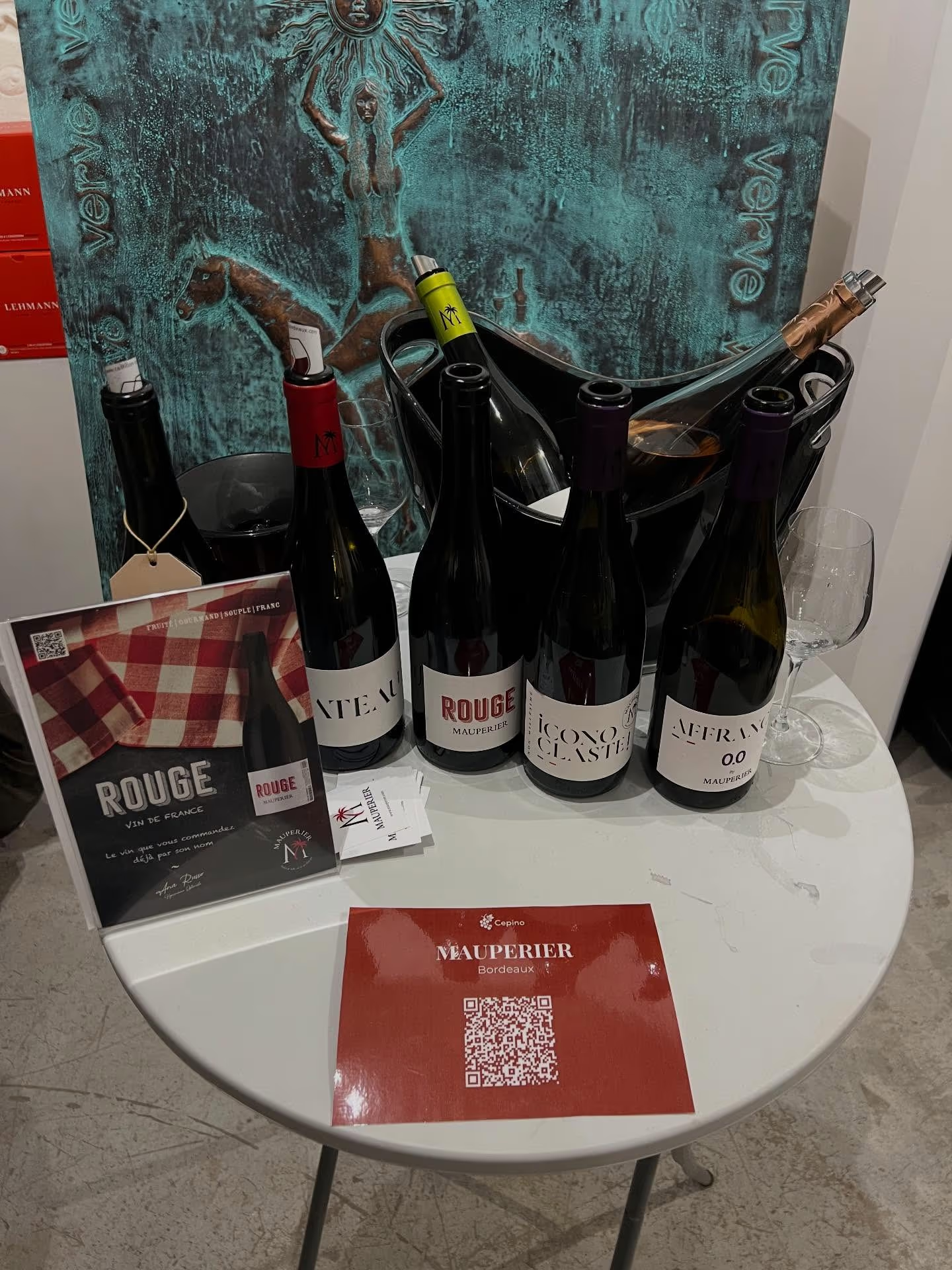
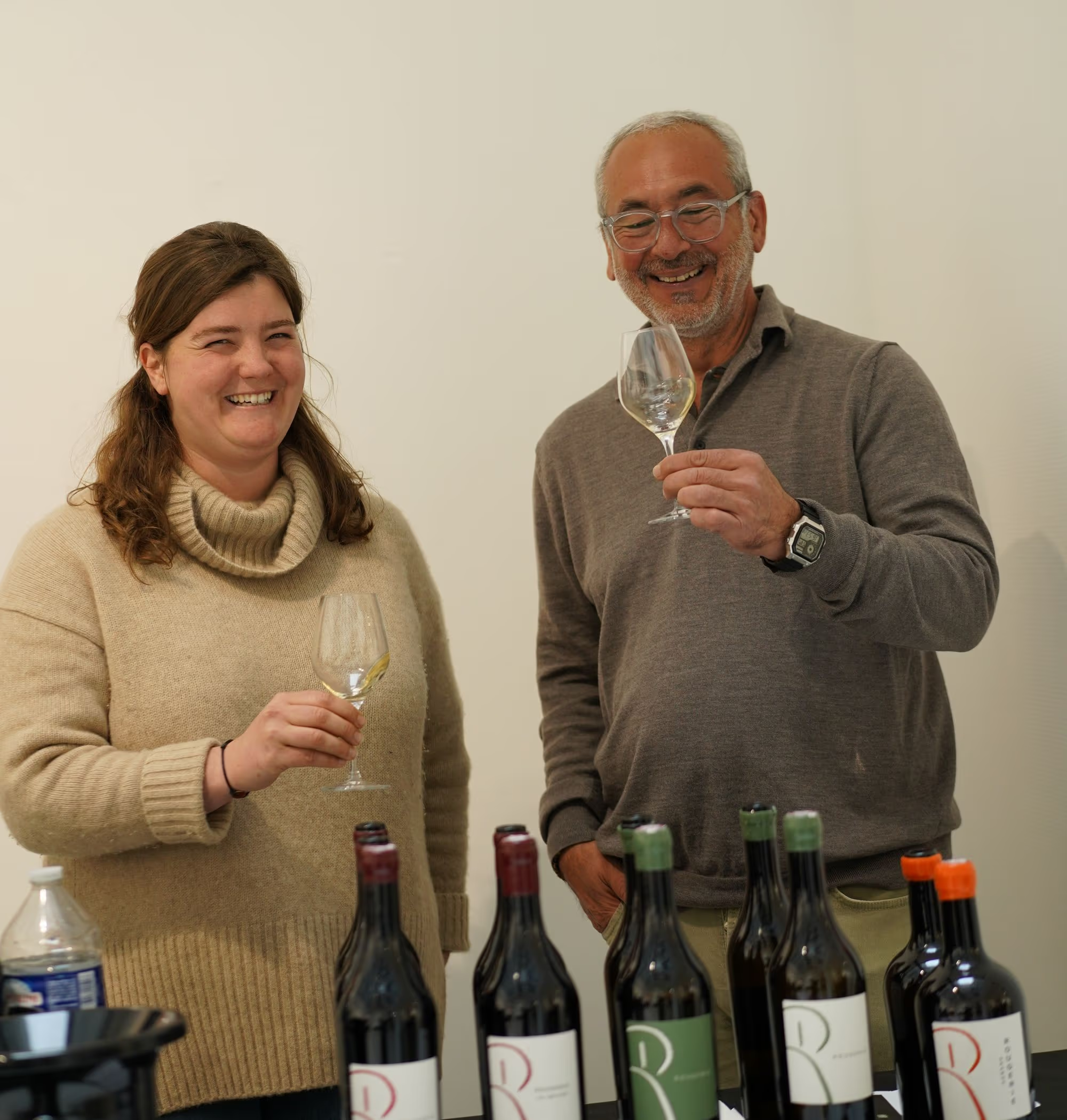
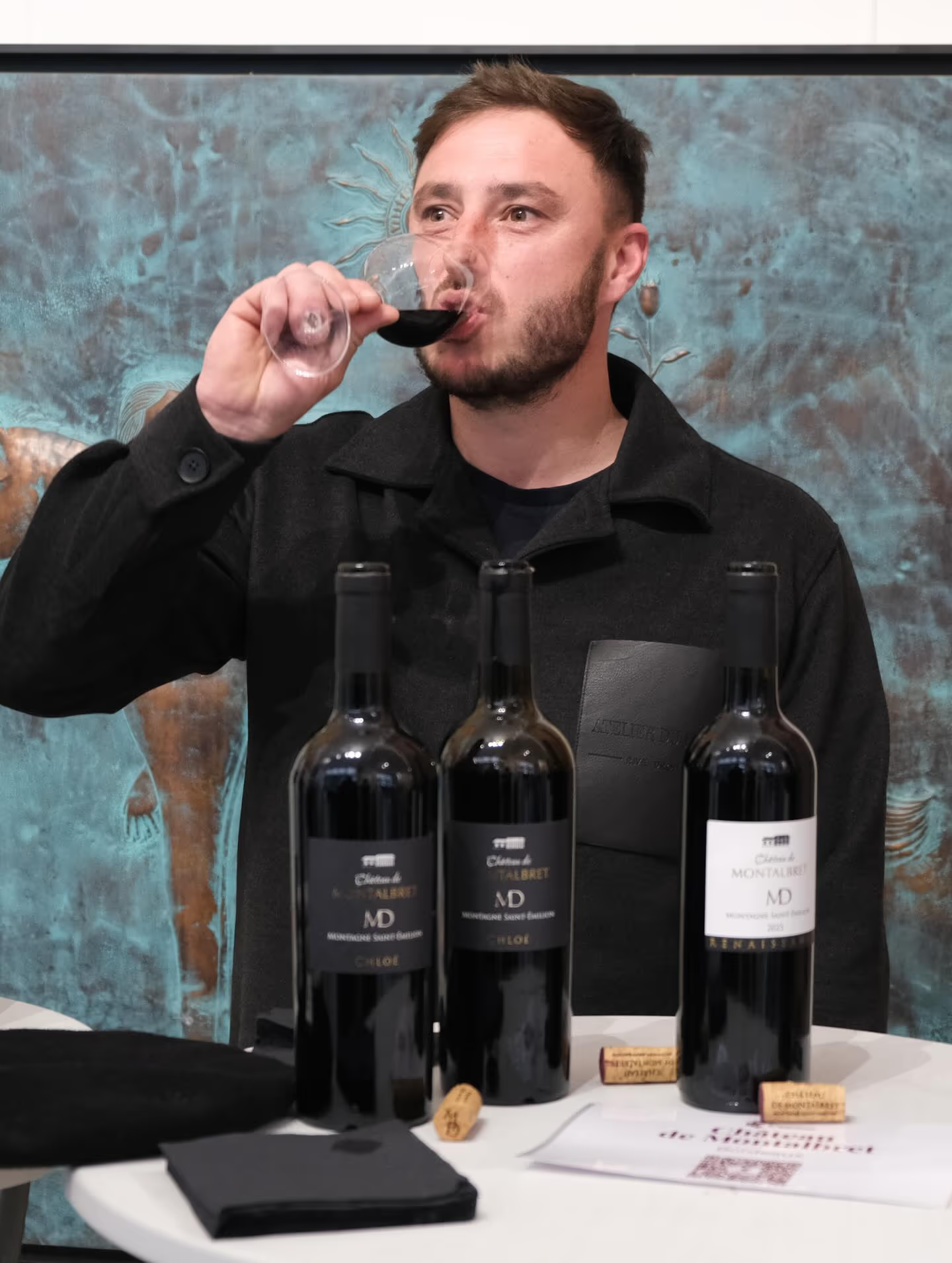
The best way to check these commitments remains face to face: tasting, questioning the winegrower about their real practices, comparing one vintage with another. That is the whole point of a Cepino professional tasting, where you talk direct with the estates. For the purchasing method upstream, our guide to sourcing wines from independent winegrowers usefully complements this read.
What to remember
Organic, HVE, biodynamic: three labels that are not equal because they do not tell the same story. Organic governs the growing and the cellar, HVE measures an environmental trajectory, biodynamics adds a philosophy of living things, and natural wine rests mainly on a charter. The buyer who explains instead of overselling builds lasting trust with their clientele. To put these pointers to the test in the glass, browse the selection of independent estates listed by Cepino and come and talk with the winegrowers at the next tasting.
More from the journal