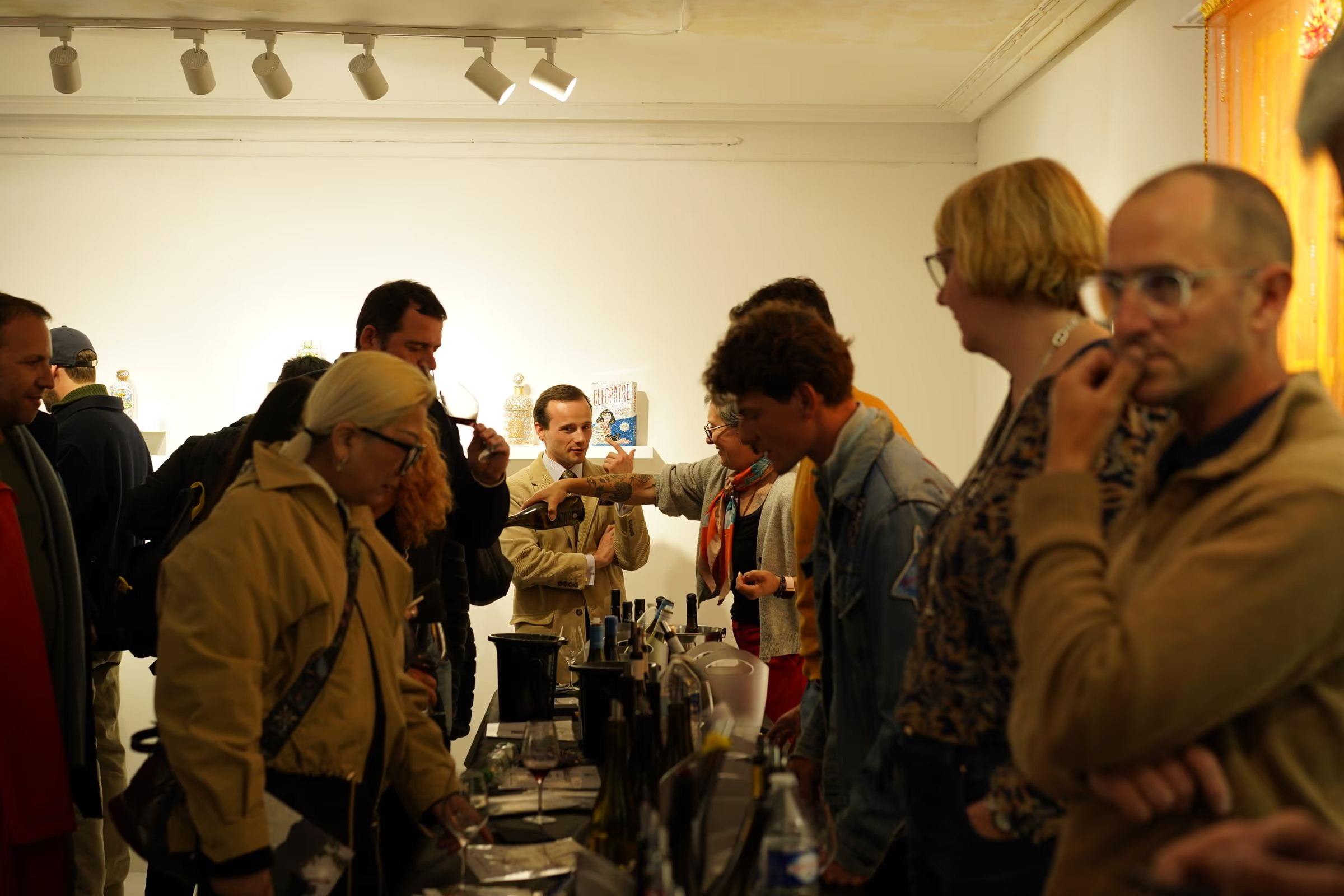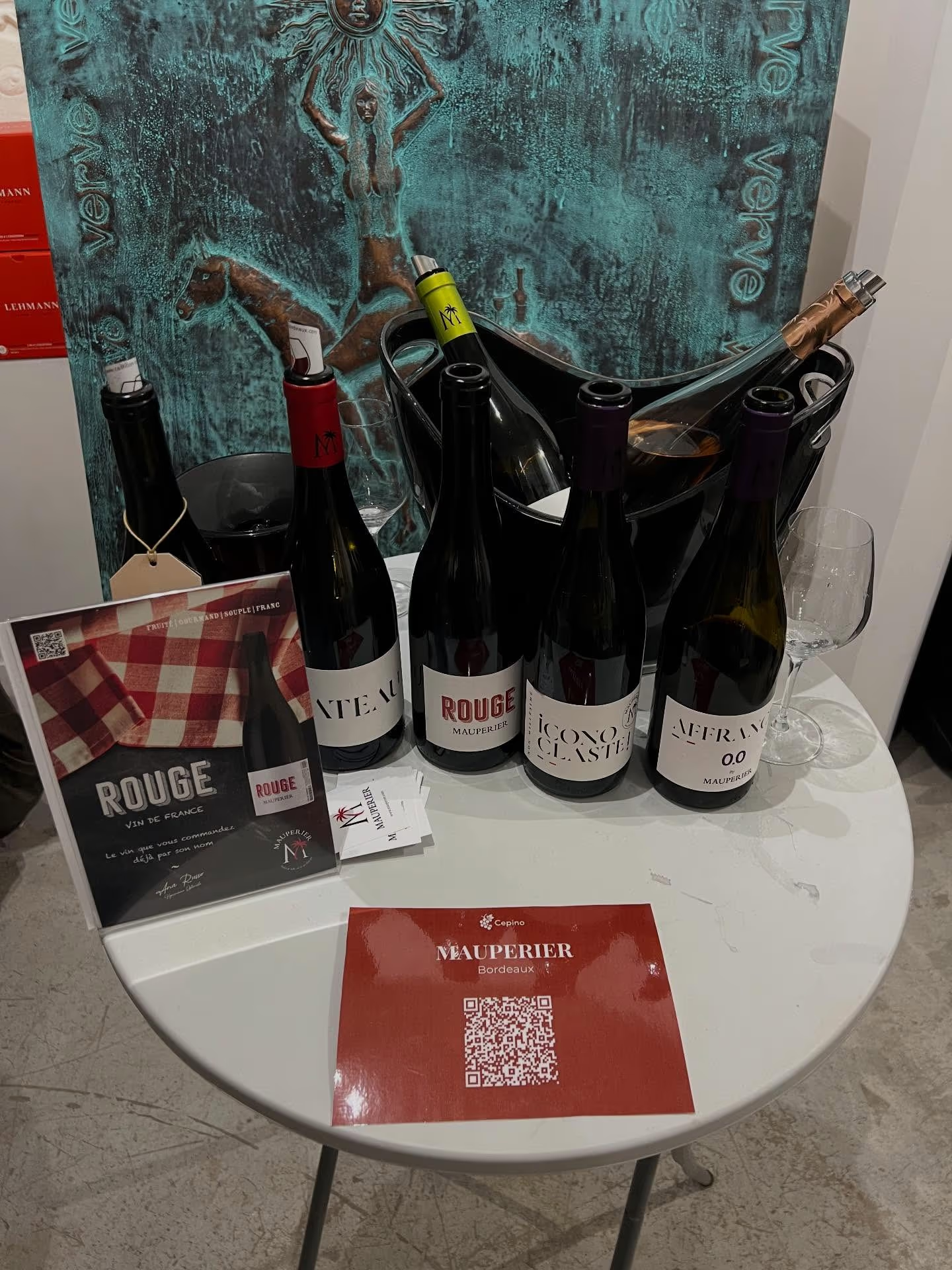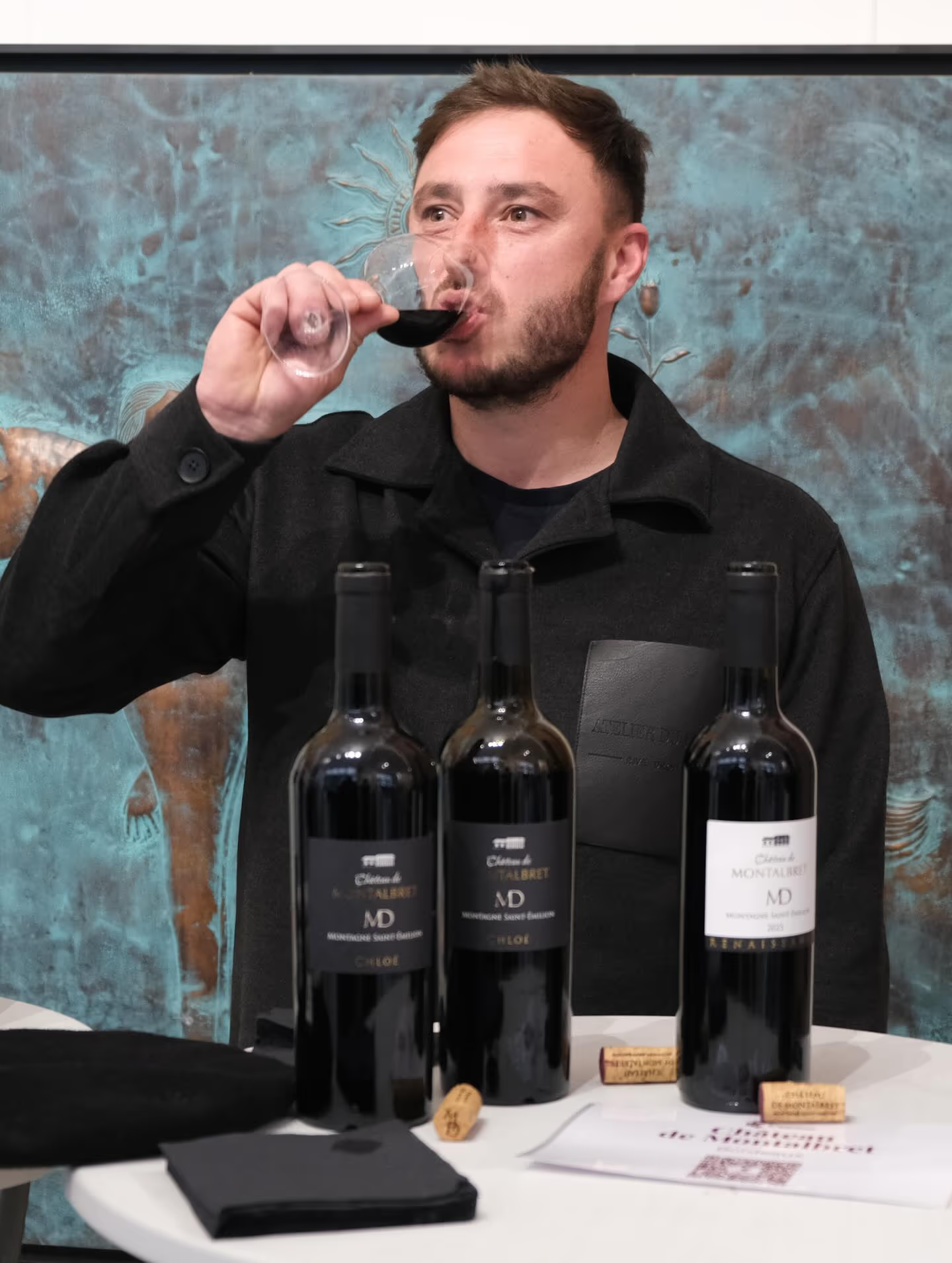
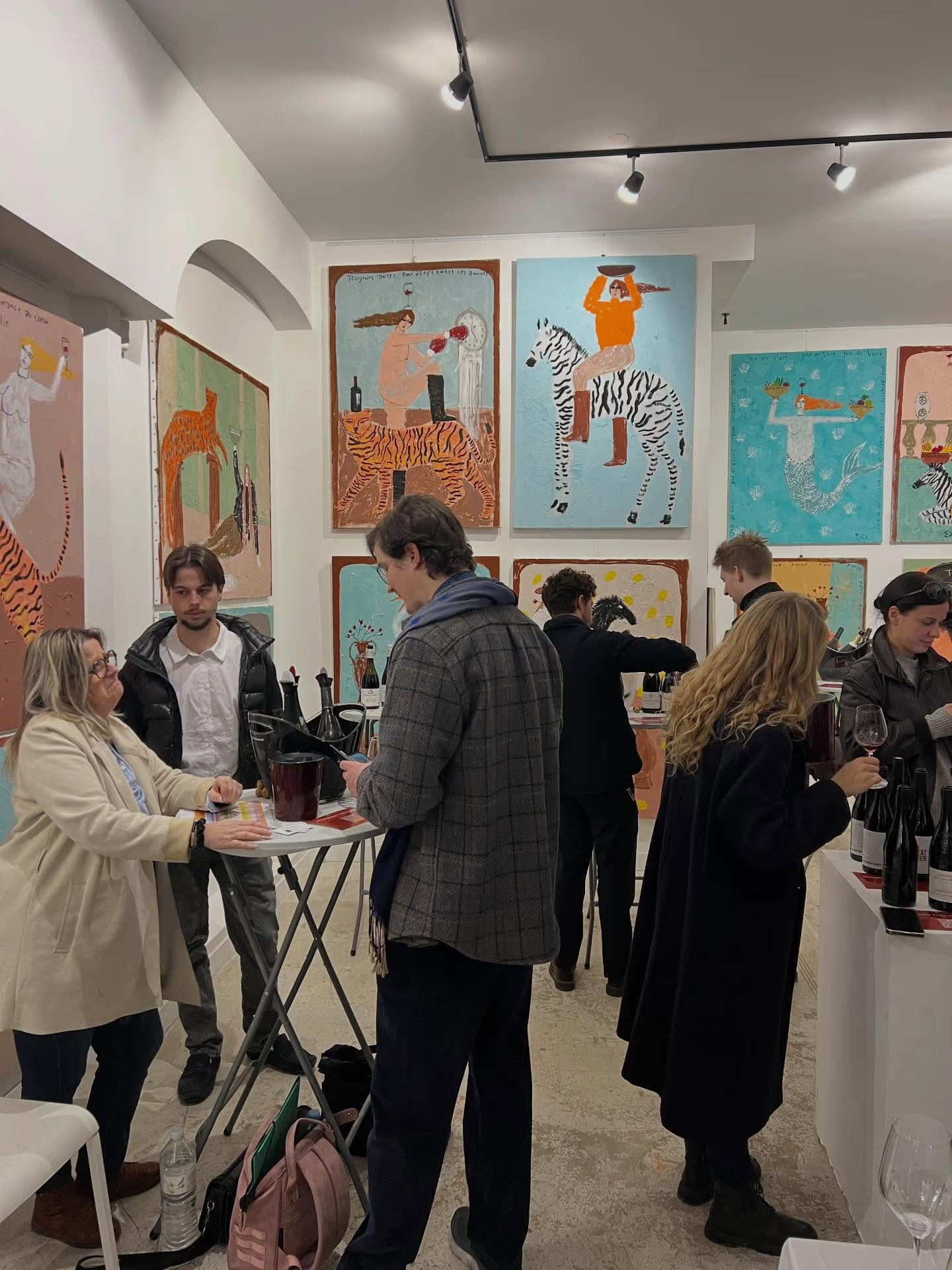
A professional wine tasting is not something to wander into at random. Between a selection of estates, limited time and dozens of cuvées to assess, the difference between a productive morning and a mere stroll almost always comes down to preparation. This guide in three stages (before, during, after) helps you get the best from every professional wine tasting in Paris and leave with references useful for your list or your shelves.
Before: preparing a professional tasting
The most profitable phase is played out at your desk, the day before. Preparing a professional tasting means first defining what you are looking for: completing a range, replacing a cuvée that is out of stock, fleshing out a region under-represented on your list.
Start with the list of announced estates. In a tight format, where you often find about one estate per appellation, you target precisely the regions you are missing rather than tasting everything in no particular order.
Before travelling, gather:
- A roadmap: the priority appellations, ranked in order of importance for your establishment.
- A brief: indicative volumes, style sought, storage or service constraints.
- A map of your gaps: the holes in your current offer that the day must fill.
- Something to take notes with: notebook or app, to record your impressions on the spot, cuvée by cuvée.
One last reflex: find out beforehand about the winegrowers who interest you. A few minutes on their story, their work in the vineyard or their winemaking method will make the conversation far richer on the spot. To structure this research, our method for sourcing wines from independent winegrowers details the criteria to run through.
During: meeting independent winegrowers and asking the right questions
A B2B wine fair offers a rare advantage: the winegrower is there, behind their table. This is the moment to meet independent winegrowers direct, without an intermediary, and to understand what is at stake behind the bottle.
Organising your tasting
Taste in order: from the lightest wines to the most structured, from whites to reds, from dry to sweet. Spit systematically (a morning means a lot of cuvées) and rinse your glass when changing estate. Keep your roadmap in view so as not to scatter, and save your last tasting energy for the appellations that really matter to you.
The questions that make the difference
Beyond taste, it is the winegrower's answers that determine whether a wine has its place with you. Ask concrete questions:
- What volumes can you supply, and how consistently from one vintage to the next?
- What logistical terms: packaging, lead times, delivery in the Paris region or shipping?
- What real availability on the cuvée you like, and on the vintages to come?
- What service does this wine call for: temperature, cellaring potential, pairings that show it off?
- What story to tell your customers: it is often the argument that sells a cuvée in the dining room or in the shop.
Take precise notes and associate each impression with an estate name. By the end of the morning, memory plays tricks: a clear sheet is worth more than a hazy recollection.
After: converting with a quick follow-up
This is the step too many buyers neglect, and yet the most decisive. A contact left without follow-up cools within a few days. The day after the tasting, act while your notes are fresh and the winegrower remembers you.
Within 48 hours, take the time to:
- Sort your favourites: distinguish the cuvées to list right away from those to watch.
- Get back in touch with the estates you have kept with a personalised message, recalling the cuvées tasted and your volume needs.
- Ask for samples if you hesitate, or to let your team taste.
- Place a first trial order on the wines that convinced you, to assess turnover before committing further.
As the relationship is direct, with no agent or commission, negotiation and restocking are then handled in immediate contact with the estate. That is the whole point of a model without intermediaries for a trade buyer: you know your supplier, they know your establishment, and every restock is settled without a relay that dilutes the information.
Making every tasting a lever for your list
A well-prepared professional wine tasting is not a waste of time: it is the starting point of lasting relationships with estates that resemble you. Prepare your route, talk frankly with the winegrowers, then ensure a quick follow-up, and your favourites become established references, hard to copy.
At Cepino, every month, a professional tasting in Paris brings together a tight selection of independent estates, reserved for professionals and validated by SIRET. Browse the selection of independent estates already listed, then book your place for the next professional tasting: the best way to fill your list with cuvées that your competitors will not have.
Are you a winegrower? Our guide to exhibiting at a professional wine fair looks at the tasting from the other side of the table.
More from the journal